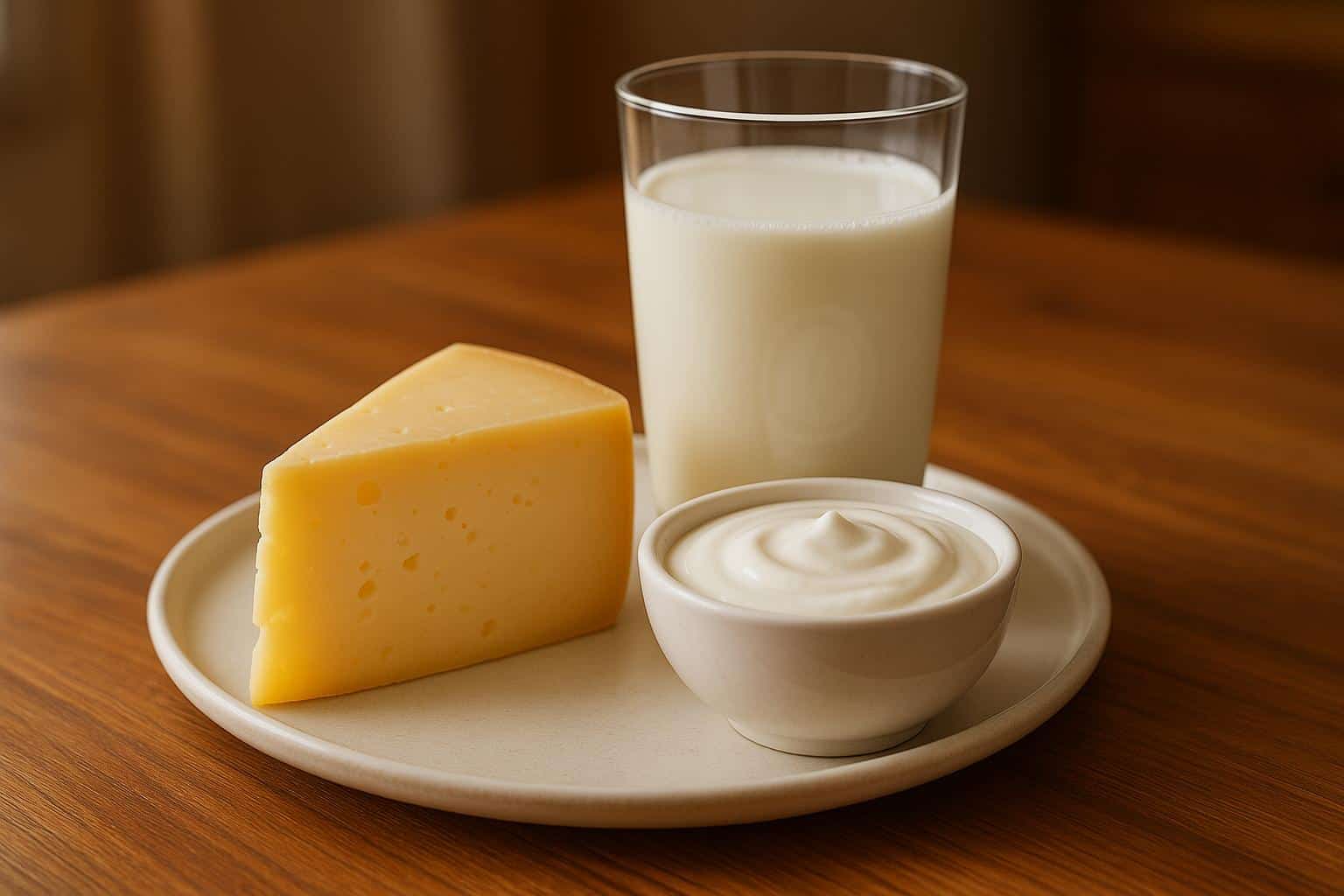
Tooth enamel is the hardest substance in your body, but it doesn’t regenerate once damaged. Recent studies suggest that dairy products like milk, cheese, and yogurt can help protect and strengthen enamel. Here’s how:
- Calcium and Phosphate: Found in dairy, these minerals aid in enamel repair and neutralize harmful acids.
- Casein Protein: Forms a protective barrier on teeth, reducing acid damage.
- Probiotics in Yogurt: Help lower cavity-causing bacteria and maintain a balanced oral microbiome.
- Lactose: A less harmful sugar that produces less acid compared to others.
Dairy also stands out when compared to sugary drinks and acidic foods, which erode enamel. Plant-based milks, while fortified with calcium, may not offer the same benefits as dairy due to added sugars and lower absorption rates.
For best results, consume dairy after meals – especially acidic ones – to neutralize acids and support enamel health. Incorporating 2–4 servings of unsweetened dairy daily, as recommended by dietary guidelines, can make a noticeable difference in oral health. Pair this with regular dental checkups for optimal results.
Can Dairy Contribute To Tooth Decay? – The Pro Dentist
How Dairy Products Protect Tooth Enamel
Dairy products play a key role in protecting and repairing tooth enamel through several unique processes. By understanding these mechanisms, it’s clear why milk, cheese, and yogurt are often praised for their oral health benefits.
Calcium and Phosphate: The Building Blocks
Dairy products are rich in calcium and phosphate, which are essential for enamel repair. When acids from food and drinks erode enamel, these minerals step in to aid saliva in the remineralization process. Phosphate ions also help neutralize bacterial acids, creating a less acidic environment that supports enamel health.
But that’s not all – milk proteins and fats also provide additional layers of protection.
Milk Proteins and Protective Fats
Casein, a protein found in dairy, forms a thin film on the surface of teeth. This film acts as a barrier, reducing the direct impact of acids on enamel. Research shows that this protective layer can remain on teeth for hours, offering extended defense. Additionally, some components in dairy fats are believed to contribute to a protective coating, further shielding enamel from acid damage.
Lactose: A Gentler Sugar
Unlike sugars like sucrose or fructose, lactose ferments at a slower rate. This slow fermentation produces less acid, which helps prevent sharp drops in oral pH. As a result, the risk of enamel erosion and cavities is reduced.
Yogurt, in particular, brings another layer of defense with its probiotic properties.
Probiotics in Yogurt and Oral Health
Certain yogurts contain probiotics, such as Lactobacillus and Bifidobacterium, which help maintain a balanced oral microbiome. These beneficial bacteria compete with acid-producing bacteria, reducing the frequency of acid attacks on enamel. Studies also show that probiotic-rich yogurt can lower the levels of cavity-causing bacteria. Plus, the fermentation process used to make yogurt preserves calcium and phosphate, further supporting enamel repair and maintenance.
Scientific Evidence: Dairy and Enamel Protection
Research highlights that the natural calcium, phosphorus, and casein found in dairy products play a key role in supporting enamel remineralization and maintaining its stability.
Effects of Milk, Cheese, and Yogurt on Enamel
The minerals in dairy products actively aid in enamel remineralization, even over short periods. Studies have shown that dairy’s unique composition can enhance enamel strength in the short term, although more research is needed to determine its impact over longer durations.
Research Limitations and Gaps
Despite promising findings, the long-term effects of consistent dairy consumption on enamel protection remain underexplored. However, current evidence suggests that incorporating dairy into a balanced diet can contribute positively to oral health.
Comparison Table: Dairy Products and Enamel Benefits
Dairy’s combination of minerals and proteins has been scientifically linked to supporting enamel health.
Next, we’ll explore how these benefits compare to the effects of other foods and beverages on enamel, providing a clearer understanding of dairy’s role in oral health.
sbb-itb-fb98d5c
Dairy vs Other Foods and Beverages
When it comes to protecting teeth, comparing dairy to other common foods and drinks highlights its standout benefits. By understanding how dairy stacks up against sugary drinks, acidic foods, and plant-based alternatives, families can make smarter choices for their children’s dental health. Dairy not only supports enamel health but also helps counteract the damage caused by certain other foods and beverages.
Sugary Drinks and Acidic Foods vs. Dairy
Sugary drinks like sodas, sports beverages, and fruit juices can wreak havoc on enamel. When bacteria in your mouth consume the sugars from these drinks, they produce acids that weaken enamel and create a breeding ground for cavities. Similarly, acidic foods and beverages – think citrus fruits, tomatoes, or carbonated drinks – can soften enamel, making it harder for teeth to recover and stay strong.
Dairy, on the other hand, works in the opposite direction. It helps neutralize harmful acids and provides essential minerals like calcium and phosphorus, which strengthen and rebuild enamel. Proteins in dairy may even form a protective layer over teeth, shielding them from acid attacks. Dental professionals often recommend having milk or cheese after consuming acidic foods to help minimize potential damage.
Plant-Based Milk Alternatives
Plant-based milk alternatives have become increasingly popular, but they differ from dairy in several ways. While many are fortified with calcium, the minerals in dairy are naturally present and absorbed more efficiently by the body. Another concern is the added sugars in some plant-based milks, which can increase the risk of cavities. However, unsweetened, fortified versions can still be part of a tooth-friendly diet when paired with other calcium-rich foods and proper oral care.
To simplify the comparison, here’s a quick table outlining the effects of various foods and drinks on enamel health:
Comparison Table: Cavity Risk and Enamel Support
| Food/Beverage Category | Cavity Risk | Enamel Support | Acid Production |
|---|---|---|---|
| Dairy Products (milk, cheese, yogurt) | Low | High | Low to none |
| Sugary Drinks (soda, sports drinks) | High | None | High |
| Acidic Beverages (citrus juices, wine) | High | None | High |
| Plant-Based Milks (fortified, unsweetened) | Low to Moderate | Low to Moderate | Low |
| Plant-Based Milks (sweetened varieties) | Moderate to High | Low | Moderate |
| Water | Low | None | None |
The takeaway? Dairy products consistently stand out for their ability to protect and strengthen enamel, especially when compared to sugary and acidic options. At Shoal Creek Smile Studio, we’re here to help families make informed decisions about foods that promote healthy, strong teeth.
Practical Tips for Protecting Enamel with Dairy
Dairy products offer a natural way to support enamel health, and incorporating them into your daily routine doesn’t have to be complicated. These tips will help you make the most of dairy’s benefits for your teeth.
Daily Dairy Servings for Oral Health
The amount of dairy your family needs depends on age, and the USDA guidelines are a great place to start. According to these recommendations, a single serving of dairy equals one cup of milk, ¾ cup of yogurt, or 1.5 ounces of cheese.
For calcium intake, the American Dental Association suggests 700 mg daily for children aged one to three and 1,000 mg daily for children aged four to eight. This translates to about two to three servings of dairy per day for younger kids and three to four servings for older children and adults.
Whenever possible, choose unsweetened options like plain yogurt, whole milk, or natural cheeses. These provide essential nutrients like calcium, phosphorus, and proteins without the added sugars that can harm teeth. If plain yogurt feels too bland, mix in fresh fruit at home instead of opting for pre-sweetened varieties.
But knowing how much to consume is only part of the story. Timing matters, too.
Best Times to Consume Dairy
When you eat or drink dairy can significantly impact its ability to protect your enamel. For the best results, enjoy dairy products right after meals – especially meals that include acidic foods or beverages. This timing helps neutralize acids and supports enamel remineralization.
"After acidic meals or beverages, rinse your mouth with water, drink milk or enjoy a snack of cheese right afterward. Dairy and other calcium-rich foods can help neutralize acids." – American Dental Association (ADA)
Research supports this approach. A study by Moynihan et al. found that eating just 15 grams of cheese after a meal increased calcium levels in dental plaque, offering direct protection against cavities. Another study by Johansson et al. revealed that children who paired snacks with milk experienced fewer cavities than those who drank other beverages.
To maximize benefits, finish meals with a glass of milk or a small piece of cheese, especially after consuming acidic foods like citrus fruits, tomatoes, or coffee.
"Be sure to consume dairy after your snack or meal." – University of Illinois at Chicago (UIC) College of Dentistry
Cheese and unsweetened yogurt are particularly effective at raising calcium and phosphorus levels in plaque while also increasing pH levels, making them excellent choices for after-meal snacks. In fact, researchers recommend these as "desserts" for school-age children to help reduce cavity risk.
Regular Dental Checkups Matter
While dairy can play a big role in protecting enamel, it works best as part of a broader oral health plan that includes professional dental care.
Routine dental checkups are essential for maintaining strong enamel. At Shoal Creek Smile Studio, we combine dietary advice with services like enamel assessments, fluoride treatments, and personalized nutritional guidance to help families achieve optimal oral health.
Professional cleanings and exams go hand-in-hand with dietary strategies. They remove plaque that dairy alone can’t tackle and catch early signs of enamel erosion before they worsen. By combining smart dietary habits with regular dental care, you give your family the best possible defense against cavities and enamel damage.
Conclusion: Key Points on Dairy and Enamel Protection
Research clearly shows that dairy products play a crucial role in protecting tooth enamel through natural processes. The calcium and phosphate found in dairy help with enamel remineralization, while milk proteins like casein create a barrier that shields teeth from harmful acids. On top of that, the probiotics in yogurt can help reduce cavity-causing bacteria.
Unlike sugary or acidic drinks that can harm your teeth, dairy helps neutralize acids in the mouth. While plant-based milk alternatives have their own nutritional perks, traditional dairy stands out by naturally providing easily absorbed calcium and a well-rounded nutrient profile that supports enamel health. Including dairy in your diet is a simple and effective way to strengthen and protect your teeth.
For the best results, combine smart dietary choices with consistent oral care. Enjoying dairy after meals and keeping up with regular dental visits can make a big difference in maintaining strong enamel.
At Shoal Creek Smile Studio in Austin, TX, we emphasize the importance of combining dietary guidance with professional dental care. Through routine checkups, cleanings, and preventive treatments, we work with you to keep your smile healthy and resilient.
FAQs
How do dairy products help restore and protect tooth enamel?
Dairy products are a fantastic ally when it comes to protecting and restoring tooth enamel. Packed with calcium and phosphorus, these minerals work together to rebuild and strengthen enamel, replenishing what’s lost through daily wear or exposure to acidic foods and drinks.
On top of that, certain dairy items – like milk – contain a compound called casein phosphopeptide-amorphous calcium phosphate (CPP-ACP). This compound plays a key role in enamel repair by boosting its mineral content, which helps teeth become more resistant to decay. Adding dairy to your diet is an easy and practical step toward better oral health.
Are there any drawbacks to using dairy products for protecting tooth enamel?
Dairy products are often praised for their role in protecting tooth enamel, thanks to their calcium, phosphate, and protein content. These nutrients can help strengthen your teeth and support overall oral health. However, there are a few concerns to keep in mind. Dairy naturally contains sugars like lactose, which, if consumed in excess or without proper oral care, can contribute to tooth decay. Plus, sipping on milk or dairy-based drinks throughout the day can leave sugars lingering on your teeth, increasing the likelihood of cavities.
To truly protect your enamel, it’s important to combine dairy consumption with a solid oral care routine. This means brushing and flossing regularly and keeping up with dental check-ups. While dairy can be a helpful addition, it shouldn’t replace these essential habits for maintaining strong, healthy teeth.
How do dairy products compare to plant-based milks in protecting tooth enamel?
Research indicates that dairy products are better at safeguarding tooth enamel than most plant-based milk options. Dairy contains calcium and phosphorus, two key minerals that play a crucial role in remineralizing and strengthening enamel. Drinking dairy milk has been shown to significantly boost enamel mineral content, offering strong protection against tooth decay.
In contrast, many plant-based milks often fall short in these minerals and may include added sugars, which can lead to enamel erosion and cavities. While fortified plant-based milks can provide some advantages, they typically don’t offer the same level of enamel protection as traditional dairy products.