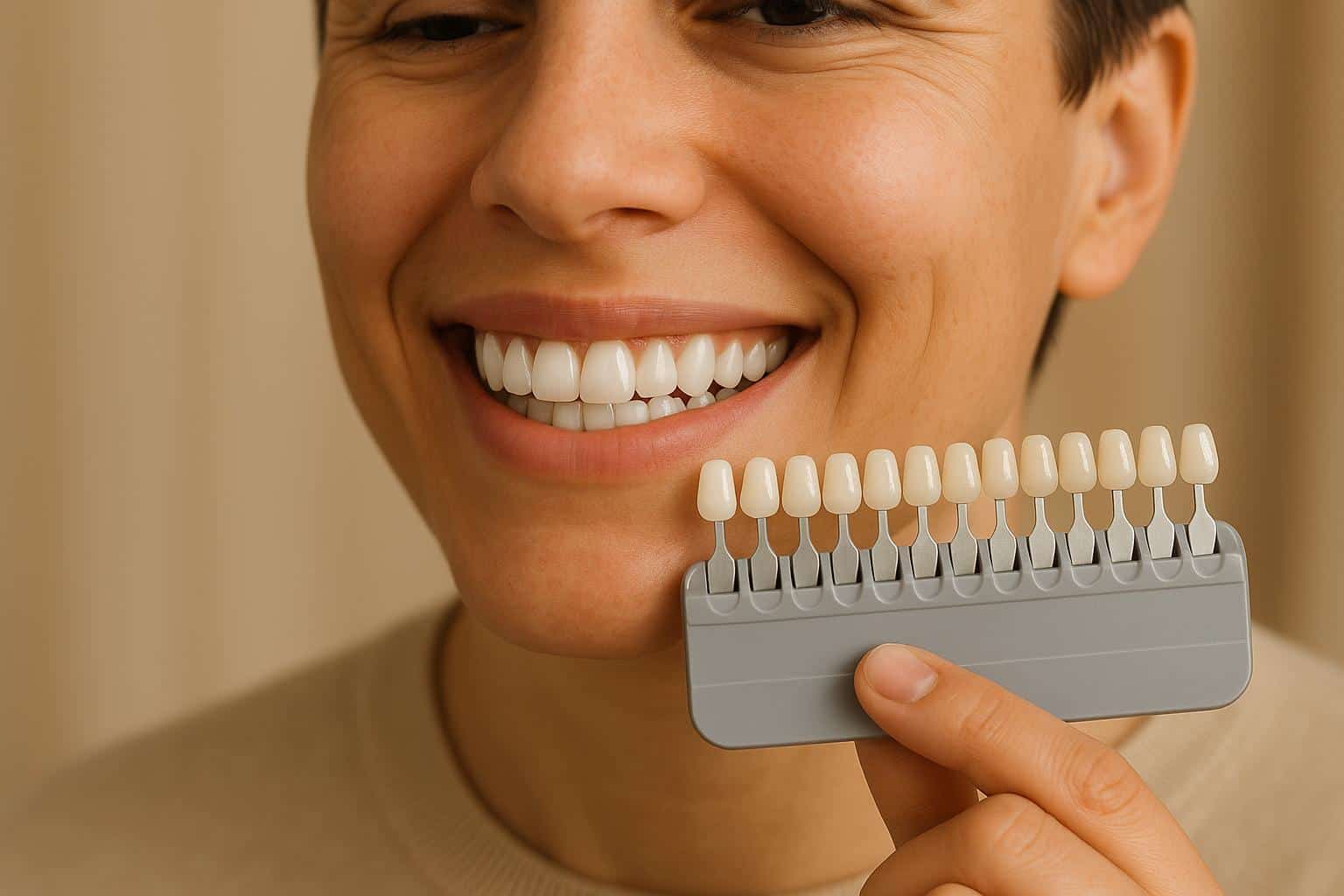
Achieve a Brighter Smile with a Teeth Whitening Shade Guide
If you’ve ever wondered how to get that dazzling, confident smile, understanding your tooth color is the first step. A teeth whitening shade guide is an invaluable tool for anyone looking to enhance their grin, whether through at-home kits or professional dental care. It helps you pinpoint where your teeth currently stand on a color scale and map out a realistic path to your dream shade.
Why Tooth Color Matters
Tooth shades vary widely from person to person, influenced by genetics, lifestyle habits like coffee or smoking, and even aging. Using a shade chart, you can compare your teeth to standardized colors, often based on systems like the Vita scale. This isn’t just about aesthetics—it’s about setting expectations. Maybe you’re a few hues away from your goal, or perhaps you’ll need expert help for a dramatic transformation. Knowing this upfront saves time, money, and potential frustration.
Tips for Safe Whitening
Before you start any treatment, remember that patience is key. Overusing whitening products can harm enamel or irritate gums, so stick to recommended guidelines. And don’t skip a chat with your dentist—they can offer tailored advice to ensure your journey to a brighter smile is both safe and effective.
FAQs
How accurate is this teeth whitening shade guide?
Our guide is based on the widely used Vita Shade Guide, which dentists rely on to assess tooth color. While it’s a great starting point to understand your shade, keep in mind that lighting and screen displays can slightly affect how shades appear. For the most precise assessment, especially before starting any whitening treatment, I’d recommend popping into a dental office for a quick check. That said, this tool gives you a solid idea of where you stand and what’s possible!
Can I achieve any tooth shade with over-the-counter products?
Not always. Over-the-counter whitening kits can lighten your teeth by a few shades, especially if you’re starting with mild discoloration. But if you’re aiming for a dramatic change—like going from a darker shade to something super bright like A1—you might need professional treatments. Our tool will let you know if your goal is within reach with store-bought options or if it’s time to chat with a dentist for stronger solutions.
Is teeth whitening safe for everyone?
Whitening is generally safe for most people, but it’s not a one-size-fits-all deal. If you’ve got sensitive teeth, gum issues, or dental restorations like crowns, whitening products might cause discomfort or uneven results. Always start with a small test if you’re using a new product, and don’t overdo it—follow the instructions to a T. Honestly, your best bet is to have a quick word with your dentist before diving in, just to make sure it’s right for you.