When you lose a filling or crown, your tooth becomes exposed and vulnerable to damage, decay, and infection. Acting quickly is crucial to prevent further complications. Here’s what you need to do:
- Find the lost piece: If intact, your dentist may be able to reuse it.
- Rinse and protect the tooth: Use warm saltwater to clean the area and avoid chewing on that side.
- Temporary solutions: Use dental cement, orthodontic wax, or sugar-free gum to shield the exposed tooth until you can see your dentist.
- Avoid certain foods: Stay away from hard, sticky, or extremely hot/cold foods to reduce irritation.
When to seek emergency care:
- Severe pain or sensitivity
- Swelling, redness, or signs of infection
- Difficulty eating, speaking, or visible damage
Visit your dentist as soon as possible – ideally within 24–48 hours. Temporary fixes won’t solve the problem and delaying treatment could lead to more invasive procedures like root canals or extractions. Regular dental checkups and good oral hygiene can help prevent future issues.
What to do when you lose a filling, how to use temporary dental filling material.
First Steps After Losing a Filling or Crown
Discovering that a filling or crown has come loose can be unsettling, but staying calm and acting promptly can help protect your tooth and prevent further issues. Here’s how to handle the situation with care.
Find the Lost Filling or Crown
Start by carefully checking your mouth and the surrounding area where you were eating or drinking. If you locate the missing piece, it could potentially be reattached.
Once found, gently rinse the filling or crown with warm water – no scrubbing or harsh cleaners needed. Place it in a clean container or small bag to bring to your dentist. Even if it looks damaged or broken, don’t throw it away. Your dentist will assess whether it can still be used, which might expand your treatment options.
After securing the lost piece, shift your focus to safeguarding the exposed tooth.
Clean and Protect the Exposed Tooth
Use warm water or a saltwater solution (½ teaspoon of salt in 1 cup of water) to gently rinse the area. This helps remove debris and lowers the risk of infection. Be cautious – avoid vigorous rinsing or using strong mouthwash, as the tooth will likely be more sensitive.
Try not to chew on the affected side to minimize discomfort and avoid further damage.
Avoid Certain Foods
Steer clear of anything hard, chewy, sticky, sugary, or extremely hot or cold. Instead, stick to soft, room-temperature foods like yogurt, mashed potatoes, applesauce, or soup. These are gentler on your exposed tooth and help avoid unnecessary irritation.
Quick Fixes to Protect Your Tooth
If you’re dealing with an exposed tooth, there are a few over-the-counter options that can help protect it and ease discomfort until you can get to the dentist. While these measures won’t solve the root problem, they can make things more manageable in the short term.
Temporary Dental Cement and Wax
One of the most effective temporary solutions is temporary dental cement, which you can find at most major pharmacies for about $5–$15. It’s a quick and easy way to shield an exposed tooth until you get professional care.
To use dental cement, start by rinsing your mouth with warm water to clean the area. Then, dry the exposed tooth as much as you can with a clean cloth or gauze. Follow the instructions on the kit to mix a small amount of cement, and apply it directly over the exposed area. If you still have the crown that came off, you might even be able to temporarily reattach it using the cement.
Another option is orthodontic wax, especially if the exposed tooth has sharp edges that could irritate your tongue or cheek. Warm a small piece of wax between your fingers until it softens, then press it onto the tooth to create a smooth barrier.
Both dental cement and wax are designed to be easily removed by your dentist, so you don’t need to worry about complicating your treatment.
If you don’t have access to either of these materials, there’s an alternative.
Sugar-Free Gum as Emergency Protection
In a pinch, sugar-free gum can act as a temporary shield for your exposed tooth. Chew it until it softens, then gently press it over the affected area to create a quick seal.
Using sugar-free gum is important because it won’t feed the bacteria in your mouth, which could otherwise worsen decay around the exposed tooth. Regular gum, on the other hand, contains sugars that could make the problem worse.
Keep in mind, though, that gum is not as durable as dental cement or wax. You’ll likely need to replace it often, especially after eating or drinking.
Why These Fixes Are Only Temporary
No matter which temporary fix you use, it’s important to remember that these are just stopgap measures. They can provide relief and protection for a short time, but they won’t address the underlying issues like decay, infection, or structural damage that caused the problem in the first place.
Even with dental cement or wax, the exposed tooth remains somewhat vulnerable to bacteria. Prolonged use of these temporary solutions without professional care could lead to more serious issues, such as infections or further damage to the tooth.
These materials are designed to last only a few days at most, so it’s critical to see a dentist as soon as possible – ideally within 24 to 48 hours of losing a filling or crown. Waiting too long increases the risk of complications that might require more extensive (and expensive) treatment.
Temporary fixes are just that – temporary. They’ll help you get through the immediate discomfort, but they’re no substitute for proper dental restoration. Make an appointment with your dentist as soon as you can to prevent further damage.
When You Need Emergency Dental Care
Temporary fixes might help ease discomfort, but some symptoms demand immediate attention from a dentist. Let’s break down the key signs that mean it’s time to seek emergency care.
Intense Pain or Sensitivity
If you’re dealing with severe pain or extreme sensitivity to hot or cold, it’s likely more than just a minor issue. This level of discomfort often points to an exposed or infected nerve in your tooth. Unlike the mild irritation you might feel from a lost filling, this pain can be so overwhelming that it disrupts your ability to focus, sleep, or even function during the day.
A lost restoration, like a crown or filling, can leave the nerve exposed, leading to pain that doesn’t go away with over-the-counter pain relievers. Waiting too long to address it can worsen the damage – and emergency visits can be pricey. While most dental insurance plans cover emergency care, after-hours visits might come with higher out-of-pocket costs.
There are real risks to ignoring this kind of pain. Case studies reveal that patients who delayed treatment after losing a crown often ended up with abscesses. These infections required more invasive procedures, like root canals or even tooth extractions – outcomes that could have been avoided with prompt care.
Swelling or Signs of Infection
Swelling, pus, fever, or redness around the affected area are serious warning signs. These symptoms indicate that bacteria have entered the tooth and are spreading. Left untreated, infections can escalate quickly. In severe cases, patients have required hospitalization and intravenous antibiotics to manage the situation.
If you notice redness or tenderness in the gums near the affected tooth, especially alongside swelling, it could mean an abscess is forming. While your body is trying to fight off the infection, professional dental care is essential to fully resolve the issue.
If you experience any of these symptoms, don’t wait – reach out to your dentist immediately. Many emergency dental clinics offer same-day appointments to handle urgent cases, even after hours.
Trouble Eating, Speaking, or Visible Damage
If a lost filling or crown is making it hard to eat, drink, or speak, it’s a clear sign you need dental care right away. Sharp edges from the damaged tooth can cut your tongue or cheek, and difficulty chewing may mean the tooth’s structure is compromised, leaving it vulnerable to further decay.
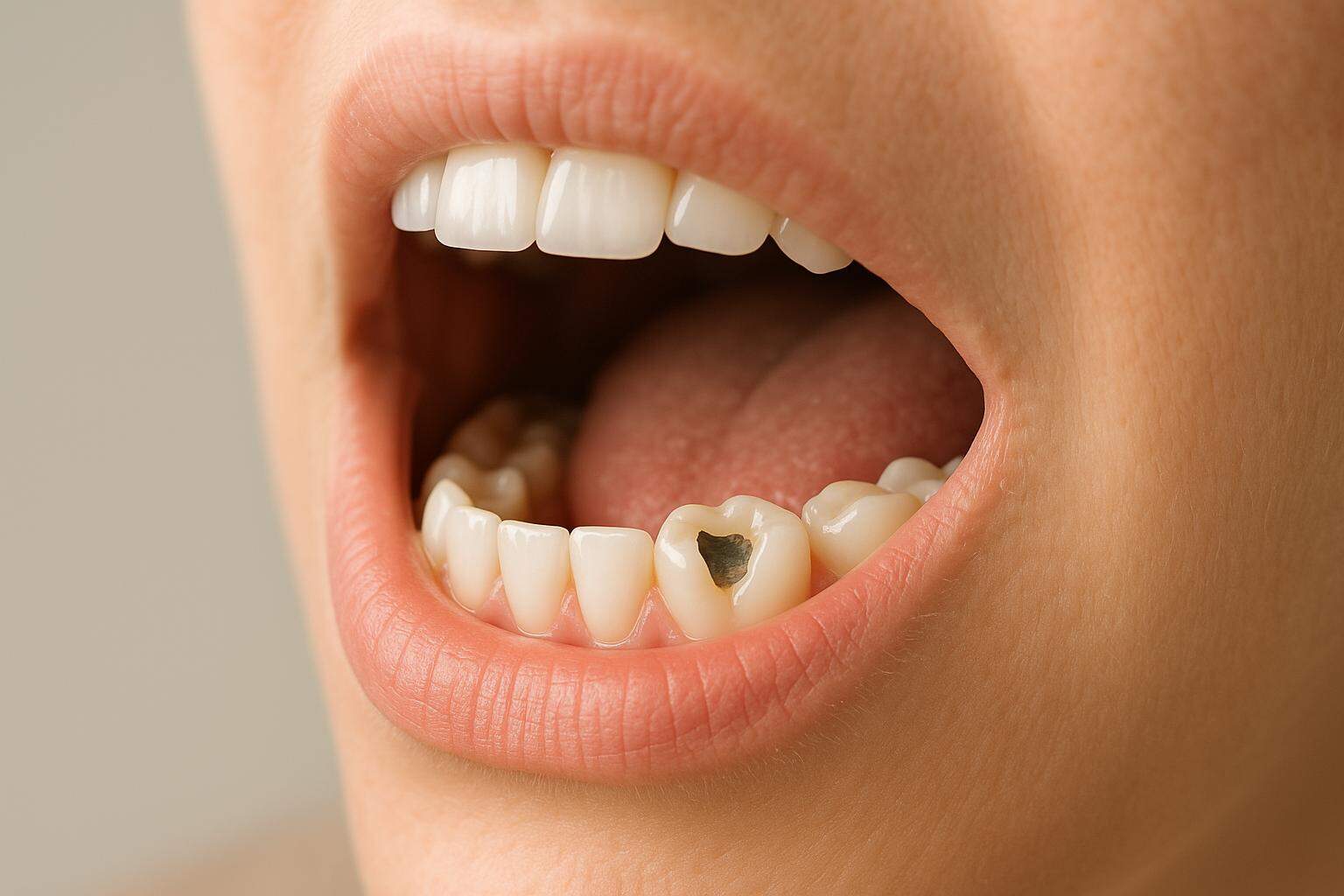
Visible damage, such as holes, dark spots, or signs of decay, indicates that bacteria are already at work. The longer you delay treatment, the more extensive – and expensive – the repairs will become.
For some, losing a restoration on a front tooth can even affect speech. Lisping or struggling with certain sounds can impact your confidence and professional communication. These functional and cosmetic challenges highlight why prompt care is so important.
Dental professionals stress the importance of early intervention. Severe pain, swelling, fever, or difficulty with everyday activities should never be ignored. The American Dental Association notes that addressing these issues quickly can lead to better outcomes and help avoid more complex procedures down the line.
If you’re experiencing any of these symptoms, Shoal Creek Smile Studio in Austin, TX provides same-day emergency appointments. They focus on patient comfort and use advanced technology to restore your smile and prevent further complications.
sbb-itb-fb98d5c
What Happens During Your Dental Visit
Visiting the dentist after losing a filling or crown can feel overwhelming, but understanding the process your dentist follows can help ease any concerns. Here’s what typically happens during your visit to address the issue.
Examination and Assessment
The first step is a detailed examination of the affected tooth and surrounding area. Your dentist will visually inspect the tooth, using specialized tools to look for signs of decay, damage, or infection that may have caused the restoration to fail.
X-rays are a critical part of this process. These images allow your dentist to see what’s happening beneath the surface, such as hidden decay, structural damage, or issues with the tooth’s root. This deeper look helps determine the best course of action.
Your dentist will also ask about your symptoms. When did the filling or crown come out? Are you experiencing pain, sensitivity to temperature, or trouble chewing? These details help assess the urgency of the situation and guide the treatment plan.
For example, at Shoal Creek Smile Studio in Austin, TX, their examination process includes full-mouth X-rays, an oral cancer screening, and a detailed assessment using advanced tools like digital scanners. In November 2025, they’re offering a New Patient Special for $150, which includes these services along with digital X-rays and intraoral imaging for precise diagnosis.
This thorough assessment lays the groundwork for effective treatment.
Fixing or Replacing Your Restoration
Once the examination is complete, your dentist will focus on restoring your tooth. The exact approach depends on the condition of your tooth, whether you have the original restoration, and how much time has passed since it came out.
Re-cementing an intact crown: If your crown is undamaged and your tooth is in good shape, your dentist may clean both the crown and the tooth, check the fit, and re-cement it during the same visit. This is often the quickest and most affordable solution.
Replacing a lost filling: If a filling has fallen out, your dentist will remove any leftover material and clean out new decay. They’ll then place a new filling, choosing a material that suits the tooth’s location and function. For front teeth, tooth-colored composite fillings are typically used, while back teeth may receive amalgam or composite, depending on the situation.
Creating a new crown: If a replacement crown is needed, the process takes a bit longer. Your dentist will take impressions of your tooth to ensure the new crown fits well and aligns with your bite. A temporary crown will protect the tooth while a dental lab creates the permanent one, which usually takes 1-2 weeks. Some practices, however, offer same-day crowns using advanced CAD/CAM technology.
Throughout the procedure, your dentist will prioritize your comfort. They’ll use local anesthesia to numb the area and address any sharp edges or exposed nerves right away to minimize discomfort.
Additional Treatment When Needed
Sometimes, losing a filling or crown reveals underlying problems that require extra care before a new restoration can be placed. For example:
- If decay has reached the tooth’s pulp or an infection is present, your dentist may recommend root canal therapy. This involves removing infected tissue, cleaning the root canals, and sealing them to prevent further issues. Afterward, the tooth will likely need a crown for added strength and protection.
- If the tooth structure is severely weakened, additional steps may be needed to rebuild it. This could involve placing a post and core or using bonding materials to create a stable foundation for the new crown.
Acting quickly is crucial. Delaying treatment can lead to more complex and costly procedures. What starts as a simple crown replacement could escalate to a root canal or even tooth extraction if an infection spreads.
Your dentist will explain any additional treatments needed and provide a clear breakdown of the timeline and costs. Many dental insurance plans cover restorative work, but coverage varies depending on the procedure and your specific plan.
Addressing the issue promptly not only saves time and money but also helps protect your oral health in the long run.
How to Prevent Future Problems
Taking care of your dental work isn’t just about fixing emergencies – it’s about building habits that protect your teeth for the long haul. According to the American Dental Association, regular checkups can cut the risk of dental emergencies, like lost fillings and crowns, by up to 50%.
Keep Up with Daily Oral Care
Your daily oral care routine plays a huge role in protecting your fillings and crowns. Brushing twice a day with fluoride toothpaste and flossing once a day helps clear away plaque and bacteria that could undermine your restorations. Decay around or beneath a filling or crown is one of the most common reasons they fail, so keeping those areas clean is essential.
Here’s how to keep your routine gentle yet effective:
- Use a soft-bristled toothbrush with non-abrasive toothpaste to avoid scratching your dental work.
- Floss carefully to avoid putting unnecessary stress on your restorations.
- Consider adding an antibacterial mouthwash to reach spots your toothbrush and floss might miss.
Professional cleanings every six months are also key. They remove stubborn plaque and tartar that can build up around the edges of crowns and fillings, where bacteria love to hide. A 2022 study revealed that more than 50% of crown failures were linked to secondary decay or loss of retention – issues that can often be avoided with consistent oral hygiene and regular dental visits.
For an even more thorough clean, you might want to try an electric toothbrush. Combined with good habits, this can help protect your dental work from unnecessary damage.
Be Careful with Hard and Sticky Foods
What you eat – and how you eat it – can have a big impact on the lifespan of your fillings and crowns. Hard foods like ice, nuts, and hard candies can crack your dental work, while sticky treats like caramel or gummy candies can pull them loose. It’s also a good idea to resist the urge to use your teeth as tools, like opening packages or biting your nails. Nail-biting, in particular, can weaken and damage your restorations over time.
If you grind your teeth at night (a condition known as bruxism), the extra pressure can lead to cracks, fractures, or loosening of your dental work. A custom nightguard from your dentist can protect both your natural teeth and your restorations. Similarly, if you play contact sports or engage in activities with a risk of facial injury, wearing a mouthguard can help prevent accidental damage.
By being mindful of your diet and chewing habits, you can work alongside your dental care routine to keep your restorations in great shape.
Get Regular Dental Checkups
Once you’ve had dental work done, regular checkups are the best way to keep it in top condition. Visiting your dentist every six months allows them to catch potential issues – like early signs of wear, decay, or loosening – before they turn into bigger problems. These checkups are especially important because some issues might not be noticeable to you at home.
Pay attention to any sensitivity, discomfort, cracks, or looseness and schedule an appointment right away if you notice something off.
Modern dental technology makes it easier than ever to monitor your restorations. For example, Shoal Creek Smile Studio in Austin, TX, uses digital X-rays and intraoral imaging during their comprehensive exams to spot problems early. They also provide personalized advice on oral hygiene and dietary habits to help you maintain your dental work.
With proper care, fillings can last anywhere from 5 to 15 years, and crowns can last 10 to 15 years or more. However, these timeframes depend heavily on your daily habits, diet, and overall oral health. Routine dental visits ensure you get the most out of your investment while minimizing the risk of unexpected emergencies.
Conclusion: Act Fast for the Best Results
Losing a filling or crown isn’t just inconvenient – it can lead to bigger problems if not addressed quickly. Without protection, your tooth becomes vulnerable to decay and further damage. Acting promptly is key to safeguarding your oral health.
The first steps you take – finding the lost filling or crown, cleaning the area, and applying temporary protection – are crucial. These quick measures can minimize discomfort and prevent immediate complications, but they’re not a substitute for professional care.
That’s where emergency dental services come in. At Shoal Creek Smile Studio in Austin, TX, patients dealing with lost fillings or crowns can get same-day assistance.
"Emergency? Give us a call today to speak with a dental professional right away" – Shoal Creek Smile Studio
Fast action, combined with modern diagnostic tools, can make a huge difference. Advanced technology allows dentists to assess the damage and restore your smile efficiently.
Delaying treatment often leads to more invasive procedures. Acting quickly may mean your restoration can simply be re-cemented, while waiting could result in infections or more complex treatments.
When a dental emergency strikes, your smile deserves immediate attention. By addressing the issue promptly, using temporary care correctly, and contacting your dentist right away, you set yourself up for a smooth recovery. And don’t forget – consistent care and good habits go a long way in preventing future dental emergencies.
FAQs
What should I do if I lose a filling or crown and can’t find it?
If you’ve lost a filling or crown and can’t find it, it’s crucial to book a dental appointment as soon as you can. An exposed tooth is more vulnerable to sensitivity, damage, or even infection.
While waiting to see your dentist, try to avoid chewing on the affected side and keep the area clean by rinsing gently with warm water. Your dentist will assess the situation and offer a solution to protect the tooth and get your smile back on track with ease.
How do I know if my tooth pain is a dental emergency?
Severe or long-lasting tooth pain can often be a sign of a dental emergency. If you’re experiencing pain along with symptoms like swelling, fever, bleeding, or trouble eating or speaking, it’s crucial to get help right away. These could point to an infection or another serious condition that needs immediate attention.
Don’t wait – reach out to your dentist as soon as possible to explain your symptoms and receive the care you need.
What happens if I wait too long to fix a lost filling or crown?
Delaying care for a lost filling or crown can snowball into major dental problems. When a tooth is left exposed, it becomes an easy target for decay, infection, and even structural damage. This could lead to more intense – and expensive – procedures, such as root canals or extractions. On top of that, nearby teeth might shift or face additional strain, causing discomfort or alignment issues.
If you’ve lost a filling or crown, don’t wait – make an appointment with your dentist as soon as you can. In the meantime, you can use temporary solutions like dental cement (available at most drugstores) to shield the area. However, these are just stopgaps. Professional treatment is key to properly restoring your tooth and avoiding further complications.