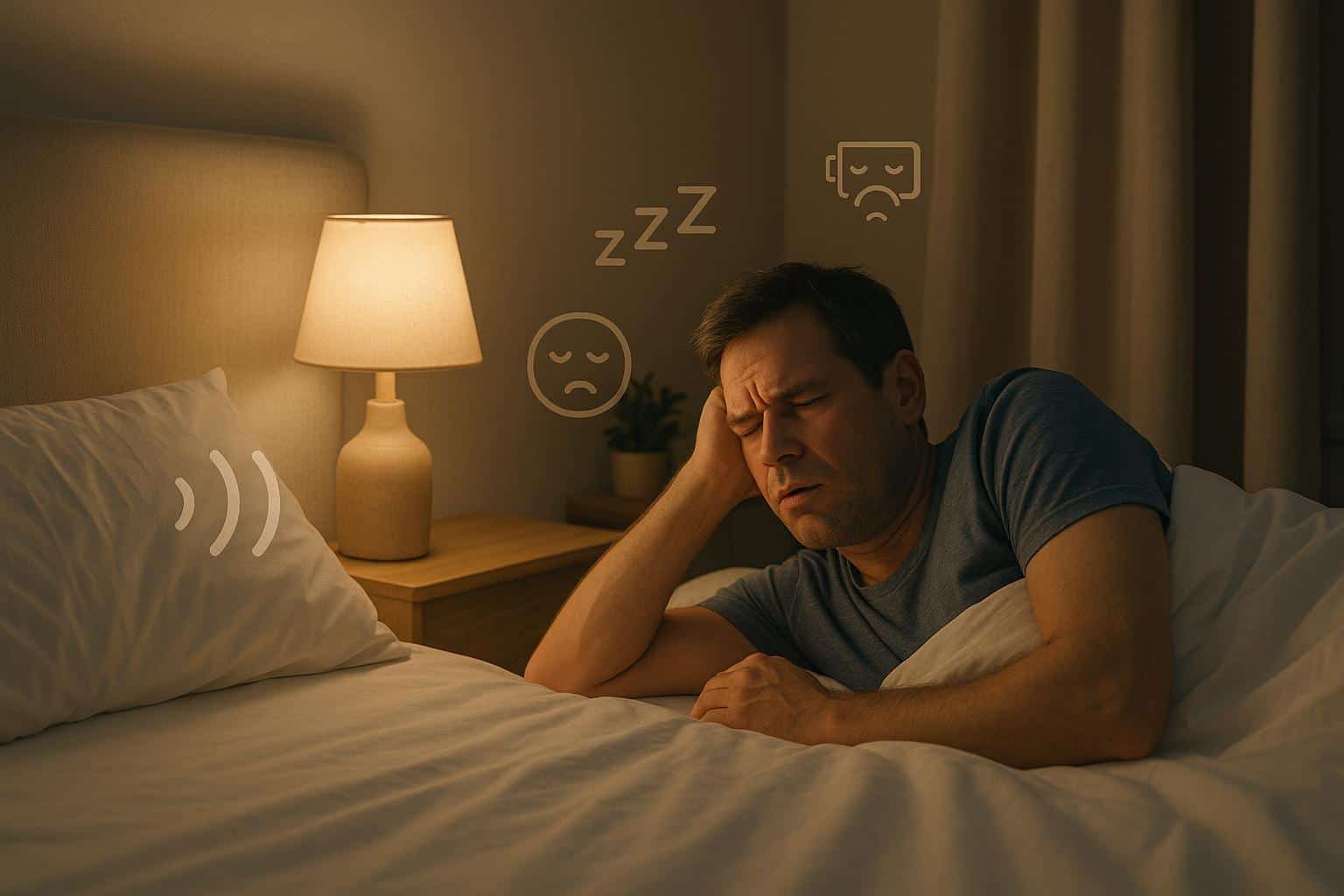
Understanding Sleep Apnea: Could You Be at Risk?
Sleep apnea is a common yet often overlooked condition that disrupts your rest and can impact your overall health. Many people don’t realize that persistent snoring or feeling exhausted during the day could point to this sleep disorder. If you’ve ever wondered whether your sleep habits are normal, taking a moment to evaluate your symptoms can be a game-changer.
Why Checking Symptoms Matters
Noticing early signs like waking up gasping for air or struggling with focus can help you address potential issues before they worsen. A condition like obstructive sleep apnea, where breathing stops briefly during the night, often goes undiagnosed for years. That’s why tools to assess your risk are so valuable—they empower you to take control. Beyond just feeling tired, untreated sleep issues can strain your heart and mood, so paying attention now is a smart move.
Next Steps for Better Sleep
If you suspect something’s off with your rest, don’t ignore it. Simple lifestyle tweaks, like adjusting your sleep position, might help, but persistent problems deserve a closer look from a professional. Use resources like a symptom tracker to get clarity, and reach out to a healthcare provider if you’re concerned about your nightly breathing patterns.
FAQs
Can this tool diagnose sleep apnea?
Nope, this isn’t a replacement for a medical diagnosis. Our Sleep Apnea Symptom Checker is designed to help you spot potential red flags based on common symptoms and risk factors. If your results show moderate or high concern, it’s a strong nudge to chat with a healthcare provider or sleep specialist for proper testing, like a sleep study. Think of this as a starting point to take your health seriously.
What are the main signs of sleep apnea I should watch for?
Sleep apnea often shows up as loud snoring, waking up gasping or choking, and feeling wiped out during the day even after a full night’s sleep. Other clues include morning headaches, trouble focusing, or a partner noticing pauses in your breathing while you sleep. If several of these sound familiar, it’s worth digging deeper—our tool can help you figure out if these signs point to a bigger issue.
How accurate is this symptom checker?
We’ve built this tool based on widely recognized symptoms and risk factors for sleep apnea, like snoring patterns and daytime fatigue. That said, everyone’s different, and this isn’t a clinical assessment. It’s a guide to help you gauge your situation and decide if you need professional advice. If you’re unsure or your results raise concerns, don’t hesitate to reach out to a doctor for a thorough evaluation.