Dental implants are reliable, but problems can occur. Watch for these warning signs to address issues early:
- Severe pain or discomfort: Pain that worsens or lasts beyond two weeks may signal complications like infection or implant failure.
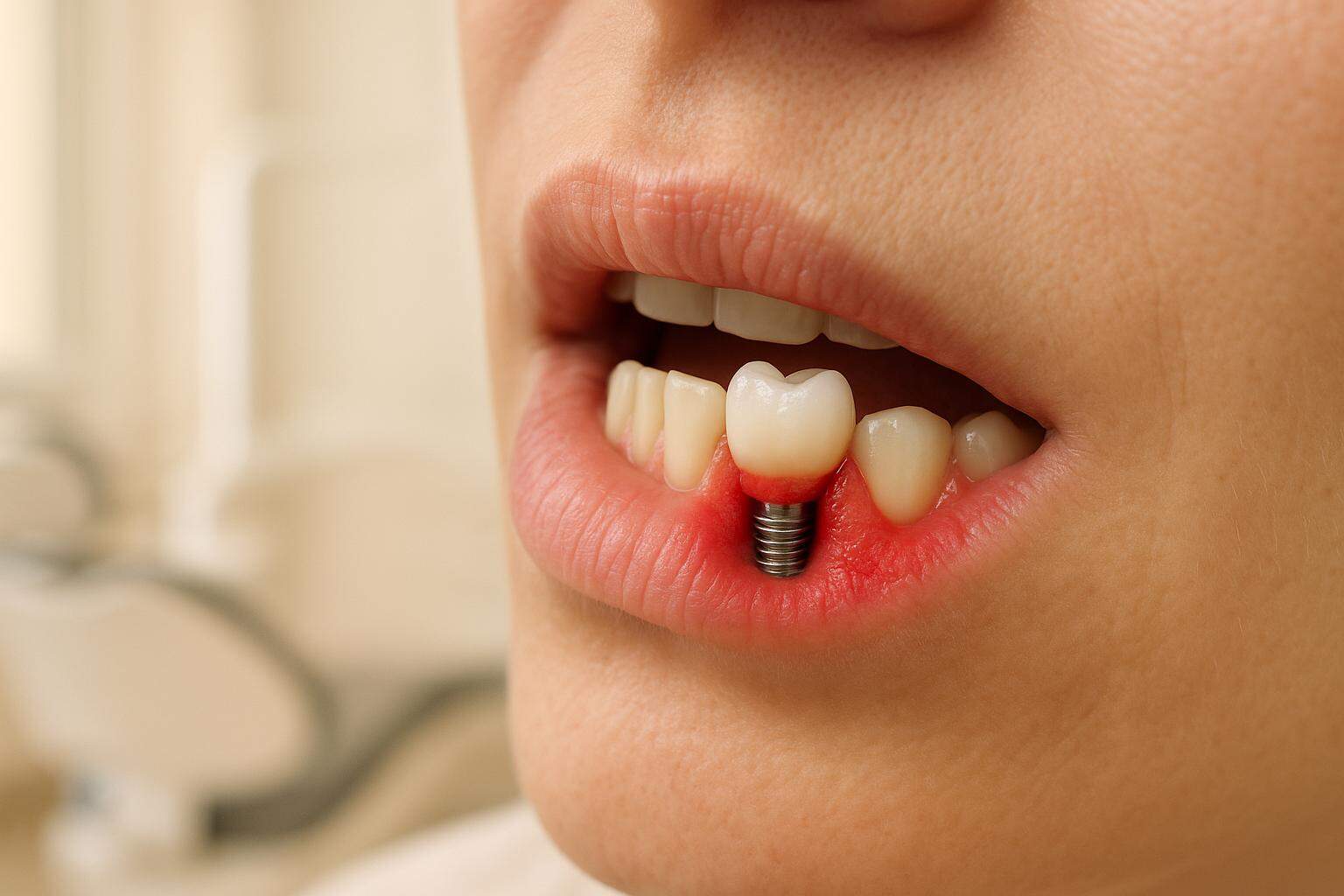
- Gum recession or swelling: Puffy, red, or receding gums around the implant can indicate inflammation or peri-implantitis.
- Chewing difficulties: Pain or awkwardness while eating may point to implant misalignment, bone loss, or infection.
- Loose or moving implant: Stability issues often suggest poor osseointegration or bone loss.
- Infection or fever: Pus, bad taste, or fever are serious signs that need immediate attention.
If you notice any of these symptoms, consult your dentist promptly to protect your oral health and investment. Early intervention is key to avoiding further complications.
What Are The Early Signs Of Implant Problems? – The Pro Dentist
1. Severe Pain and Discomfort
Some level of discomfort is expected after dental implant surgery, but when the pain becomes severe or lingers longer than usual, it could signal complications that require immediate attention. Knowing how to differentiate between normal healing pain and more serious warning signs is crucial for safeguarding your oral health.
Persistent or Worsening Symptoms
Post-surgery discomfort typically follows a predictable timeline. As Greenville Family Dentistry explains:
"Placing dental implants involves oral surgery. Like any surgical procedure, it can cause temporary pain due to the invasion of gum tissue and bone."
Generally, post-operative pain is at its worst within the first 24–72 hours and begins to ease within 3–5 days. However, if the pain persists or worsens beyond two weeks, it may point to complications. Severe pain that develops later on could indicate implant failure or conditions like peri-implant diseases. These situations require prompt evaluation to prevent further issues.
Signs of Infection or Inflammation
Severe pain near the implant site can sometimes be linked to infection. Watch for symptoms such as red, swollen gums, a lingering bad taste or odor, bleeding, or pus discharge. Peri-implantitis, an inflammatory condition affecting the tissue and bone around the implant, is a common issue, impacting up to 30% of dental implants.
"Pain is your body’s alarm bell. Do not ignore it – even if it seems manageable." – DDS Group
When caught early, infections can often be treated without removing the implant. However, quick action is essential to avoid more serious complications. If the pain becomes severe enough to interfere with your daily life, such as chewing or speaking, it’s time to seek professional help.
Impact on Daily Functions Like Chewing
While dental implants boast a success rate above 90%, ongoing pain that disrupts activities like chewing, biting, or speaking beyond the first week of healing is a red flag. This could indicate problems like implant instability, nerve damage (though rare), bone loss, or misalignment of the implant. Excessive force during chewing can also contribute to prolonged discomfort.
If any of these symptoms affect you, it’s important to consult a dental professional promptly. At Shoal Creek Smile Studio in Austin, TX, our team is committed to tracking your recovery and addressing any issues as they arise. Dental implants are highly successful, but your comfort and health should always come first.
2. Gum Recession and Swelling
Healthy gums should fit snugly around your dental implant, acting as a protective barrier for the underlying structures. If your gums start to recede or swell near the implant, it could be a warning sign of underlying problems like inflammation or infection, which might threaten the implant’s stability over time.
Signs of Infection or Inflammation
Swelling is often one of the first signs that something may be wrong. Puffy, red, or tender gums can indicate a bacterial response. Be on the lookout for these common symptoms of infection:
- Swollen, red, or tender gums around the implant site
- Redness, irritation, and bleeding, even with proper oral hygiene
- Pus or discharge near the gum line around the implant
- An unpleasant taste or odor coming from the implant area
These symptoms may point to peri-implantitis, a type of gum disease that specifically affects the tissues surrounding dental implants. If you also experience fever or feel generally unwell, it’s crucial to seek dental care immediately.
Changes in Implant Stability
Another sign of trouble is a change in how stable the implant feels. Receding gums can expose the metal post of the implant, which is normally hidden beneath healthy gum tissue. In more advanced cases, the threads of the implant may become visible.
"Gum recession around an implant may indicate inflammation, poor gum health, or even peri-implantitis (a form of gum disease affecting implants). Early intervention can help prevent more serious complications." – Shore Smiles Dental
These visible changes often go hand in hand with a loose or shifting implant. If you notice movement when biting down or feel that the implant is less secure, it could mean that the supporting structures are compromised.
Persistent or Worsening Symptoms
Unlike typical post-surgical healing, gum recession and swelling caused by complications don’t resolve on their own. Recession often starts as a small gap between the gum and the implant crown but can progress to expose more of the implant over time. Persistent swelling signals ongoing inflammation that requires professional attention.
To protect your implant, maintain proper oral hygiene with tools like a soft-bristled toothbrush, implant-safe floss, and an antibacterial mouth rinse. However, home care alone isn’t enough. Schedule a dental checkup to evaluate the severity of the issue and create a treatment plan. Taking these steps promptly can help ensure the long-term health of your dental implant. At Shoal Creek Smile Studio, we’re here to assess your implant health and provide effective treatments to address gum-related concerns.
3. Problems Chewing or Biting
After addressing pain and gum issues, difficulty chewing is another major red flag that could point to implant trouble. A properly functioning dental implant should work just like a natural tooth. So, if chewing becomes uncomfortable or you start avoiding certain foods, it’s a sign that something might be off with your implant.
How Chewing Is Affected
Dental implants are meant to bring back normal function, letting you chew and bite as easily as you would with your natural teeth. If chewing feels painful or awkward, it’s a signal that something may need attention. This discomfort can lead to changes in how you chew, as you might unconsciously compensate for the problem area.
"Why does my dental implant hurt when I chew? This is a pertinent question, as the intent of dental implants is to provide a pain-free experience, fully integrating into the dynamics of your oral structure." – Smile Studio Boston
The pain might show up as a dull ache, a sharp twinge, or a sensation of pressure when biting down. Some patients even notice an uneven bite, which can mean the implant isn’t properly aligned with the surrounding bone and tissue.
Issues with Implant Stability
Misalignment, teeth grinding (bruxism), or bone loss can all lead to uneven pressure when chewing. Inflammation caused by peri-implantitis is another common culprit. If an implant isn’t positioned correctly, it can press on nearby teeth or nerves, causing pain that becomes more noticeable during meals.
Bruxism is particularly problematic for implants. The excessive grinding and clenching can loosen the implant over time, leading to painful and uneven chewing. Bone loss around the implant can also make it feel unstable, especially when biting into harder or chewier foods. This lack of stability often becomes most apparent during meals that require more chewing effort.
Signs of Infection or Inflammation
Peri-implantitis, an infection around the implant, is a frequent cause of pain during chewing. This condition often stems from bacterial buildup due to poor oral hygiene. The resulting inflammation makes normal chewing uncomfortable. Swelling and tenderness are common, especially when pressure is applied while eating. In rare cases, nerve damage can cause ongoing pain, numbness, or tingling sensations that disrupt regular chewing patterns.
When Symptoms Persist or Worsen
Unlike temporary discomfort after surgery, chewing problems tied to implant failure don’t go away on their own. If you’re experiencing uneven or painful chewing, it’s a sign your implant isn’t working as it should. The discomfort often worsens over time or becomes more noticeable with certain foods. While avoiding hard or sticky foods and using a night guard for bruxism can help, persistent pain needs professional evaluation.
At Shoal Creek Smile Studio, we can examine your implant and recommend the best course of action to restore comfortable chewing. Addressing the issue early is crucial for avoiding further complications and ensuring your implant’s long-term success.
sbb-itb-fb98d5c
4. Loose or Moving Implant
After issues like pain, gum recession, and difficulty chewing, implant mobility is another major red flag for implant failure. A loose or moving implant indicates a problem with its stability. Unlike natural teeth, which have a slight natural flexibility, dental implants are designed to stay completely stable once fully healed. Any movement suggests that the osseointegration process hasn’t gone as planned.
Changes in Implant Stability
The stability of dental implants depends on osseointegration – the process where the titanium implant fuses with the jawbone [25, 27]. If this fusion doesn’t occur properly, the implant becomes loose and unstable.
"Implants should integrate with bone – when they don’t, they move." – Vera Smile
At first, you might notice only a slight movement. However, if ignored, this instability can worsen over time. It’s also important to distinguish between a loose crown or abutment and the implant itself. While a crown issue is often easier to address, a loose implant points to a more serious underlying problem that demands immediate attention.
Signs of Infection or Inflammation
One common reason for implant loosening is peri-implantitis – an infection around the implant site. This infection can cause inflammation, which leads to bone loss around the implant. As the bone deteriorates, the implant loses its secure foundation.
Impact on Daily Life
A loose implant can disrupt everyday activities like eating. You might start avoiding the affected side while chewing, which can put extra strain on your other teeth. Over time, this can lead to favoring softer foods, further affecting your overall oral health.
Persistent or Worsening Symptoms
Unlike the temporary discomfort that can follow surgery, a loose implant is a persistent issue that won’t resolve on its own. Over time, the movement becomes more obvious, especially if factors like excessive pressure, poor placement, insufficient bone density, or inadequate oral hygiene aren’t addressed.
If you notice any movement in your implant, it’s crucial to consult a dental professional immediately. While waiting for your appointment, try to avoid putting pressure on the implant – chew on the opposite side of your mouth, for example. The sooner the issue is addressed, the better your chances of avoiding further complications.
At Shoal Creek Smile Studio, our skilled team can identify the cause of your implant’s instability and recommend the best course of action. With dental implants achieving a success rate of about 98% [25, 26], any movement is a clear sign that professional intervention is necessary.
5. Infection or Fever
After implant instability, infections are one of the most concerning signs of implant failure. When an infection develops around a dental implant, it can escalate quickly from a localized issue to a more serious health problem. A fever is often a clear signal that immediate medical attention is necessary.
Recognizing Signs of Infection or Inflammation
Infections come with risks that extend beyond the implant site. Some of the most telling signs include pus or discharge around the implant, which indicates bacterial activity. You might also notice a persistent bad taste or an unpleasant odor, both of which can signal bacterial buildup that regular oral hygiene can’t resolve.
Systemic Symptoms That Require Attention
If the infection spreads, your body may start to show more widespread symptoms. Fever or chills are significant red flags. Studies show that 4–10% of implant patients experience post-operative infections. Swollen lymph nodes can also appear, signaling that the infection may be advancing. These symptoms should not be ignored, as they often indicate the need for urgent care.
When Symptoms Don’t Improve
One of the clearest distinctions between normal healing and an infection is how symptoms progress. With an infection, pain, swelling, redness, and discharge around the implant site often worsen instead of improving. If left untreated, the infection can lead to jawbone damage, implant failure, and even systemic complications. Infections that spread beyond the mouth can result in severe health issues requiring extensive medical intervention.
How Infection Impacts Daily Life
An infected implant can interfere with everyday activities like eating and socializing. Pain and swelling may make chewing on the affected side difficult, forcing you to avoid certain foods or stick to a soft diet. Additionally, a constant bad taste or odor can diminish your appetite and make social interactions uncomfortable. These challenges often escalate if the infection is not addressed promptly.
If you notice any signs of infection, particularly if you develop a fever, reach out to your dental professional without delay. At Shoal Creek Smile Studio, our skilled team in Austin, TX is ready to identify and treat implant infections quickly, ensuring your implant and overall health are safeguarded. Timely treatment is key to avoiding further complications.
Normal Recovery vs Warning Signs
Understanding the difference between typical healing and potential complications is key to a smooth recovery after dental implant surgery. It’s normal to experience some mild-to-moderate discomfort, swelling that peaks around 48 hours, minor bleeding or oozing that resolves within 24–48 hours, slight bruising, and fatigue. Most people notice steady improvement, with full recovery taking about three to six months.
Here’s a quick comparison between what’s expected and what might signal a problem:
| Normal Recovery | Warning Signs |
|---|---|
| Mild to moderate pain that gradually eases | Pain that worsens or doesn’t improve over time |
| Swelling peaking at 48 hours and then decreasing | Swelling that persists or gets worse after 48 hours |
| Minor bleeding or oozing stopping within 24–48 hours | Bleeding that continues beyond 48 hours |
| Slight bruising near the implant site | Excessive bruising or bruising that doesn’t fade |
| Fatigue lasting only the first few days | Fatigue that continues well beyond the initial recovery period |
These guidelines can help you determine when to seek professional advice. Generally, normal recovery involves steady improvement within the first one to ten days. If your symptoms stray from these patterns, it’s best to consult your dental care provider. At Shoal Creek Smile Studio, we’re committed to supporting your recovery every step of the way.
Conclusion
Severe pain, receding gums, chewing difficulties, implant mobility, and signs of infection are clear warning signs that shouldn’t be ignored. Addressing these issues early can help avoid more serious complications. Research indicates that dental implants have a failure rate of 5–10% over 10 years, making early detection and timely intervention critical.
If you notice persistent pain or unusual movement in your implant, take it seriously. These symptoms can lead to bigger problems like bone loss, spreading infections, or the need for extensive corrective treatments if left unaddressed.
When it comes to handling these concerns, acting quickly is key. Reach out to your dental provider for a professional evaluation. At Shoal Creek Smile Studio, our skilled team relies on advanced diagnostic tools and tailored treatment plans to effectively manage implant complications. We’re here to help you maintain your oral health and safeguard your dental implant investment with expert care and ongoing support.
FAQs
How can I reduce the risk of dental implant failure after surgery?
To reduce the chances of dental implant failure, it’s important to stick to your dentist’s post-surgery care guidelines. This means keeping up with good oral hygiene – brushing and flossing daily – and steering clear of habits like smoking or excessive alcohol consumption, as these can slow down the healing process.
Be sure to go to all your follow-up appointments. These visits allow your dentist to track your recovery and address any concerns before they become serious. Also, focusing on a nutritious diet and leading a healthy lifestyle can aid in healing and boost your immune system, ensuring better outcomes for your dental implant in the long run.
What is peri-implantitis, and how is it different from regular gum disease?
Peri-implantitis is an infection that targets the tissues surrounding a dental implant. Unlike standard gum disease, which affects the gums and bone around natural teeth, peri-implantitis tends to advance more quickly, often causing significant damage to the bone that supports the implant.
This condition typically begins as peri-implant mucositis, a less severe inflammation of the soft tissues around the implant. Without proper treatment, it can worsen into peri-implantitis, which may ultimately result in implant failure. Catching and addressing it early is critical to avoiding serious complications and safeguarding the health of your dental implant.
What should I do if my dental implant feels loose?
If your dental implant feels loose, it’s crucial to address the issue right away to avoid complications. Reach out to your dentist as soon as possible to arrange an urgent appointment. While waiting, steer clear of chewing or applying any pressure on the implant to reduce the risk of further damage. Resist the urge to tighten or adjust the implant on your own – this could worsen the problem. Getting timely professional help is the best way to resolve the issue properly.