Dental emergencies can strike without warning, causing pain, stress, and potential long-term damage. Knowing how to respond quickly can save your teeth and prevent complications.
Here’s what you need to know:
- When to Act: Severe pain, uncontrolled bleeding, swelling, or knocked-out teeth require immediate attention.
- Quick Actions: For a knocked-out tooth, rinse it gently and try placing it back in the socket or keep it in milk until you see a dentist.
- Common Emergencies: Toothaches, abscesses, broken teeth, and lost fillings are common issues that need prompt care.
- Prevention Tips: Brush and floss daily, avoid using teeth as tools, wear a mouthguard during sports, and schedule regular dental checkups.
Key takeaway: Acting fast during a dental emergency can make all the difference. If you’re unsure, call your dentist right away for guidance.
Dental Emergency 101: A Detailed Guide to Common Tooth Troubles
What Counts as a Dental Emergency?
Not every dental issue means you need to rush to the emergency room in the middle of the night. However, some situations demand immediate attention to prevent long-term problems. Knowing how to tell the difference between urgent dental emergencies and routine concerns can protect both your teeth and your overall health.
How to Identify a Dental Emergency
Certain signs can help you figure out whether you’re dealing with a true dental emergency:
- Severe pain: If you’re experiencing intense, throbbing pain that doesn’t improve with over-the-counter pain relievers, it could point to serious problems like an infection or nerve damage that needs immediate attention.
- Uncontrolled bleeding: While minor bleeding from brushing or flossing is often normal, bleeding that doesn’t stop after 10–15 minutes of pressure should be treated as an emergency.
- Swelling: Swelling in areas like your face, jaw, or neck might indicate a spreading infection. Infections of this kind can lead to serious complications, such as deep neck abscesses or Ludwig angina, which can be life-threatening.
- Trouble swallowing or breathing: If an oral issue is making it hard to swallow or breathe, you need emergency medical care right away.
- Abrupt bite changes: Sudden changes in how your teeth fit together could signal fractures or other structural problems that need urgent evaluation.
- Mouth sores lasting over two weeks: Sores or lesions that persist for more than two weeks should be examined promptly, as they could indicate a more serious condition.
The main difference between a dental emergency and a routine issue is how quickly it needs to be addressed. Emergencies can worsen rapidly without treatment, while routine problems can usually wait for a scheduled appointment.
Most Common Dental Emergencies
Here are some of the most frequent dental emergencies that require immediate care:
- Knocked-out teeth: Losing a tooth is one of the most urgent dental emergencies. Research shows that 96% of tooth intrusions result in pulpal necrosis, so acting quickly is crucial.
- Severe toothaches: Persistent, intense tooth pain often signals an infection or significant damage to the tooth pulp. Left untreated, these infections can spread to the gums, jawbone, or even the bloodstream, potentially leading to complications like sepsis.
- Cracked or broken teeth: A cracked or broken tooth exposes its inner structure to bacteria, which can cause infection. Without prompt care, the damage can worsen, possibly leading to tooth loss. Exposed nerves may also cause severe sensitivity to temperature or pressure.
- Dental abscesses: These are pus-filled infections that form at the tooth root or in the gums. Abscesses are dangerous because the infection can spread quickly to other parts of the body, and the pain and swelling can escalate rapidly.
- Lost fillings or crowns: When a filling or crown falls out, it leaves the tooth vulnerable to bacteria and temperature changes. Without this protective barrier, the tooth is at risk of further decay or infection.
- Severe soft tissue injuries: Deep cuts, punctures, or tears in the mouth need immediate care to control bleeding and prevent infection.
- Partially displaced teeth (extruded teeth): Teeth that are pushed out of position require urgent professional care to improve the chances of successful repositioning and treatment.
It’s worth noting that 31.6% of adults leave their dental caries untreated, often because they fail to recognize when a minor issue is turning into a serious emergency.
If you’re in the Austin area and need help with a dental emergency, Shoal Creek Smile Studio offers comprehensive care. For immediate assistance, call 512-459-7811.
What to Do Right Away for Dental Emergencies
When a dental emergency happens, how you respond in those first moments can be the difference between saving or losing a tooth. Acting quickly and staying calm are key to managing pain and minimizing damage.
Your initial actions can pave the way for effective professional treatment and help prevent lasting complications.
First Aid Steps for Dental Problems
Knocked-Out Tooth
A knocked-out tooth is a time-sensitive situation. According to Dr. Todd Coy, DMD, "Time is an important factor in the survival of the tooth". Teeth that are treated within 30 minutes to an hour have the best shot at being successfully reattached.
If you find yourself in this situation, handle the tooth carefully by the crown (the chewing surface) and avoid touching the root, as this can harm the tissues needed for reattachment. If the tooth is dirty, gently rinse it with milk, saline, or even saliva – don’t scrub it or let it dry out. Ideally, place the tooth back into its socket as soon as possible, and bite down gently on a clean cloth or gauze to keep it in place.
If reinserting the tooth isn’t an option, keep it moist by placing it in milk, saliva, or even inside your cheek until you can get to a dentist. Avoid trying to re-implant a baby tooth, as this could damage the underlying permanent tooth.
Severe Tooth Pain and Swelling
While waiting to see a dentist, there are steps you can take to manage pain and swelling:
- Rinse your mouth with a saltwater solution (½ teaspoon of salt mixed into 8 ounces of warm water). Swish for about 30 seconds, then spit it out to help reduce inflammation.
- Use a cold compress on your jaw for 20 minutes at a time to help with swelling.
- Take over-the-counter pain relievers like ibuprofen or acetaminophen for temporary relief.
- For extra comfort, try a topical gel with benzocaine, apply a small drop of clove oil to your gums, or place a cooled peppermint tea bag on the painful area.
Lost Fillings or Crowns
If a filling or crown comes loose, the exposed tooth can be very sensitive to temperature and pressure. Start by locating the lost piece and keeping it safe to avoid accidentally swallowing it – bring it with you to your dentist. Rinse your mouth with warm salt water to clear away debris.
To protect the exposed area, cover any sharp edges with sugar-free gum or dental adhesive. For temporary pain relief, you can apply clove oil. If you still have the crown, you might be able to temporarily reattach it by cleaning it thoroughly and using dental cement, denture adhesive, or petroleum jelly – never use household glue. Until you see your dentist, avoid chewing on that side and steer clear of hard, hot, cold, or spicy foods.
When You Need Emergency Care Now
If self-care doesn’t ease your symptoms, it’s important to know when to seek emergency dental treatment. Severe tooth pain accompanied by fever and chills could signal a spreading infection, which requires immediate attention. If you’re unsure, call your dental office for guidance – most practices have emergency contact options or answering services to help assess the situation.
For those in the Austin area, Shoal Creek Smile Studio offers emergency dental care. You can reach them at 512-459-7811 for urgent assistance.
Quick, appropriate action during a dental emergency can mean the difference between a straightforward fix and more extensive treatment down the line. Don’t ignore the signs – your dental health deserves immediate care when needed.
Professional Treatment for Dental Emergencies
After taking immediate steps to address a dental emergency, seeking professional care is crucial for proper recovery and maintaining long-term oral health. Understanding the available treatments and how dental professionals handle emergencies can make the process less intimidating and more manageable.
Professional Care for Common Emergencies
Chipped or Broken Teeth
When dealing with a chipped or broken tooth, dentists will first evaluate the extent of the damage. Treatments may include dental fillings, bonding, crowns, veneers, or root canal therapy. Minor chips are often repaired with bonding in a single visit, restoring both function and appearance. For more severe breaks, a crown may be necessary to protect the tooth’s structure. If the damage reaches the tooth’s pulp, root canal therapy will be required to remove infected tissue and save the tooth.
Knocked-Out Teeth
Time is of the essence when a tooth is knocked out. Dentists aim to reimplant the tooth as quickly as possible, with the best results occurring if reimplantation happens within 30 minutes. Proper storage of the tooth during transport, such as in milk or a special solution, is also critical.
Severe Toothaches and Infections
For severe tooth pain or infections, dentists may recommend root canal therapy or, in some cases, tooth extraction. Digital X-rays are often used to pinpoint the source of pain and guide the treatment plan. In cases of abscesses, treatment may involve antibiotics, drainage, or root canal therapy. Quick intervention is essential to prevent more serious complications.
Advanced Diagnostic Tools
Modern tools like digital X-rays and intraoral cameras play a key role in diagnosing dental emergencies. Digital X-rays provide detailed images instantly, revealing fractures or infections that might not be visible during a regular exam. Intraoral cameras allow both the dentist and patient to see inside the mouth, making treatment decisions clearer and more collaborative. These tools ensure a smooth transition from emergency care to comprehensive treatment.
When a dental emergency strikes in Austin, having access to advanced care can make all the difference.
How Shoal Creek Smile Studio Can Help
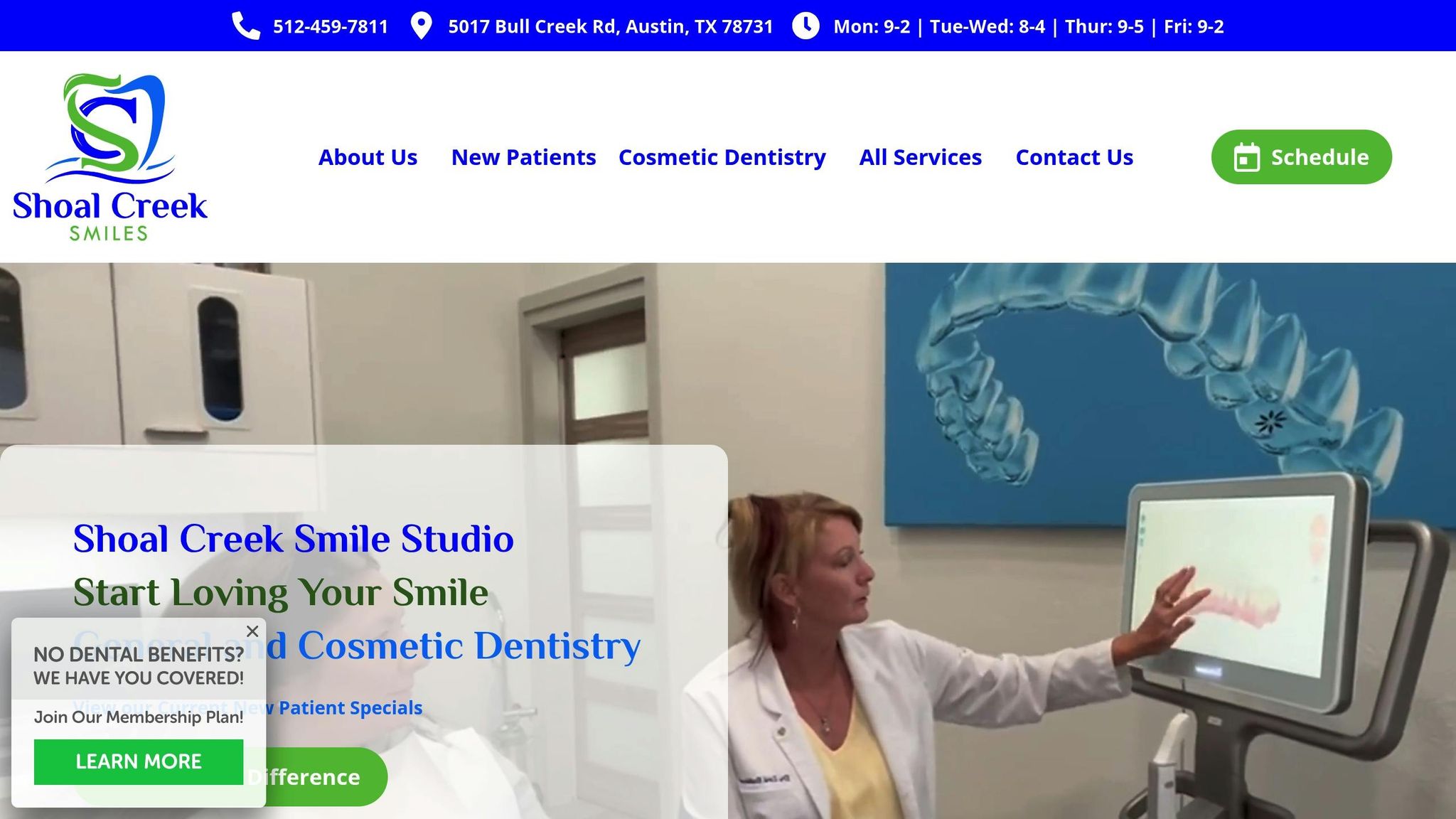
Shoal Creek Smile Studio offers immediate, expert care for dental emergencies, combining advanced technology with a focus on patient comfort. For prompt assistance, call 512-459-7811.
State-of-the-Art Emergency Care
Shoal Creek Smile Studio uses cutting-edge technology to handle emergencies effectively. Digital X-rays and intraoral cameras help ensure fast and accurate diagnoses, paving the way for effective treatment. As the practice explains:
"At Shoal Creek Smile Studio, we believe in staying at the forefront of dental technology. We utilize state-of-the-art equipment to ensure accurate diagnoses and effective treatments." – Shoal Creek Smile Studio
Patient-Centered Emergency Approach
Recognizing that dental emergencies can be stressful, Shoal Creek Smile Studio focuses on making patients feel at ease. The team prioritizes clear communication, explaining each step of the process to keep patients informed and comfortable. As they put it:
"We understand that visiting the dentist can be a source of anxiety for some, which is why we prioritize patient comfort and communication above all else." – Shoal Creek Smile Studio
Flexible Payment Options for Emergencies
Unexpected dental emergencies can bring financial challenges, but Shoal Creek Smile Studio offers flexible payment solutions. They partner with providers like CareCredit, Cherry, and HFD to make treatment costs more manageable. Additionally, they offer discounts for veterans and seniors, as well as pre-payment options. For new patients, a $150 New Patient Special is available, which includes full-mouth X-rays, an oral cancer screening, a doctor’s exam, a gum health and bite assessment, and an oral health scan with a digital scanner.
With advanced technology, compassionate care, and flexible payment options, Shoal Creek Smile Studio is well-equipped to handle dental emergencies. Their commitment to prompt, effective treatment ensures that Austin residents have access to high-quality emergency dental care when they need it most.
sbb-itb-fb98d5c
How to Prevent Dental Emergencies
Dental emergencies can often be avoided with proper care and smart daily habits. Taking proactive steps to protect your teeth can save you from unnecessary pain and expensive treatments down the road.
Why Regular Dental Care Matters
The cornerstone of dental health is regular professional care. According to the American Dental Association (ADA), scheduling dental checkups at least twice a year is essential. These visits allow your dentist to catch potential problems – like small cavities, early gum disease, or even oral cancer – before they turn into emergencies. Routine exams and cleanings also remove plaque and tartar buildup that brushing and flossing alone might miss. Plus, dentists can offer tailored advice to address your specific oral health needs.
For residents of Austin, Shoal Creek Smile Studio is a trusted option for maintaining oral health and preventing minor issues from becoming major problems. By combining professional care with consistent daily habits, you can significantly lower your risk of dental emergencies.
Daily Care and Lifestyle Tips
Your daily choices play a big role in keeping your teeth healthy and reducing the chance of emergencies. A few simple adjustments to your routine can make a noticeable difference.
Essential Daily Oral Hygiene
Brushing and flossing are your first line of defense. Brush your teeth twice a day for two minutes using fluoride toothpaste. Fluoride strengthens enamel, making it more resistant to decay. Flossing daily removes food particles and plaque from hard-to-reach areas. For an extra boost, consider using an electric toothbrush or an antimicrobial mouthwash.
Smart Dietary Choices
What you eat matters just as much as how you care for your teeth. Limit sugary snacks and drinks, as they increase acid production, which weakens enamel and leads to cavities. If you do indulge in sweets, try to consume them with meals rather than as standalone snacks. Include calcium-rich foods like dairy products and leafy greens in your diet to help strengthen your teeth naturally. Crunchy fruits and vegetables, such as apples and carrots, can also help clean your teeth and stimulate saliva production, which neutralizes harmful acids. Staying hydrated by drinking water throughout the day further supports a healthy mouth by washing away food debris.
Protecting Your Teeth from Injury
If you’re active in sports, wearing a mouthguard is crucial to prevent dental injuries. Falls alone account for roughly 65% of dental trauma cases, so protective gear can make a big difference. Additionally, avoid using your teeth as tools – like opening packages or cracking nuts – as this can lead to chips or fractures that may require emergency treatment.
Managing Stress and Harmful Habits
Stress can take a toll on your oral health, especially if it leads to habits like teeth grinding or clenching. These behaviors can cause cracked teeth and jaw pain, particularly during sleep. If this sounds familiar, ask your dentist about a custom night guard. Activities like meditation, yoga, or regular exercise can also help reduce stress and prevent grinding. Avoid habits like biting your nails, chewing on ice, or gnawing on hard objects like pens, as they can damage your teeth.
Staying Alert to Warning Signs
Pay attention to early symptoms like sensitivity, bleeding gums, or persistent bad breath, and address them promptly.
"The state of your oral health is often a reflection of your daily habits. From diet to stress levels, the choices you make can significantly influence the health of your teeth and gums." – Magnolia Family Dentistry
Each year, over two million people visit emergency rooms for dental issues – many of which could have been avoided. By sticking to these prevention strategies and staying consistent with regular dental care, you can keep your teeth healthy and your smile bright.
Conclusion
Dental emergencies can catch anyone off guard – whether it’s sudden pain, bleeding, swelling, or an injury. Knowing how to respond quickly is crucial. For severe pain or trauma, simple steps like rinsing with salt water, taking over-the-counter pain relievers, and applying a cold compress can provide temporary relief while you seek immediate dental care.
Of course, the best approach is to prevent emergencies before they happen. Regular dental checkups, maintaining good oral hygiene, eating a balanced diet, and using protective gear during sports are all effective ways to reduce the risk of dental injuries or issues. These small habits can make a big difference in safeguarding your oral health.
If an emergency does occur, professional care is always available. For those in Austin, Shoal Creek Smile Studio offers a full range of emergency dental services. Their skilled team is equipped to handle everything from severe toothaches and knocked-out teeth to dental abscesses and broken restorations. They also prioritize prevention, providing regular checkups, personalized care plans, and patient education to keep your smile in top shape.
Building a relationship with a trusted dental provider is key to staying ahead of potential problems. By committing to daily oral care and knowing what to do in an emergency, you can ensure your teeth stay healthy and protected. Regular visits to Shoal Creek Smile Studio can help you maintain a strong and confident smile for years to come.
FAQs
What should I do if I have a dental emergency while traveling?
What to Do If You Have a Dental Emergency While Traveling
Dealing with a dental emergency away from home can feel overwhelming, but staying calm is key. Start by gently rinsing your mouth with warm water to clean the area. If you notice any swelling, hold a cold compress against the outside of your cheek to reduce discomfort.
For a knocked-out tooth, carefully try to place it back in its socket – just don’t force it. If that’s not an option, keep the tooth moist by placing it in a container of milk or saline solution until you can get to a dentist.
Reach out to a local dentist or an urgent care center as soon as you can to get professional help. To be prepared for the unexpected, consider packing a small dental emergency kit when you travel. Stock it with essentials like pain relievers, gauze, and temporary dental cement. Acting quickly can ease your pain and stop the situation from getting worse.
How do I know if my dental problem is an emergency or can wait for a regular appointment?
Determining if a dental issue qualifies as an emergency often comes down to how severe and urgent your symptoms are. You should seek immediate care if you’re dealing with intense, persistent tooth pain, noticeable swelling in your gums or face, a knocked-out or broken tooth, or signs of infection such as a fever or uncontrolled bleeding. Acting quickly in these situations can help avoid more serious complications.
However, less severe problems – like mild tooth sensitivity or minor discomfort – can typically wait until your next routine dental appointment. If you’re unsure, it’s always a good idea to reach out to your dentist for advice. At Shoal Creek Smile Studio, we’re ready to assist with both urgent and routine dental concerns, helping you maintain a healthy, pain-free smile.
What are the warning signs that a dental infection is becoming serious and needs immediate attention?
If you’re experiencing severe, ongoing tooth pain, facial swelling, fever, or notice pus draining near a tooth, these could be signs of a serious dental infection that needs prompt attention. Other symptoms to watch for include red or swollen gums, difficulty opening your mouth, or swollen lymph nodes around your neck or jaw.
When over-the-counter pain medications don’t provide relief or if your symptoms get worse, it’s time to act quickly. Ignoring a severe dental infection can allow it to spread to other areas of your body, potentially causing major health issues. Don’t wait – reach out to your dentist immediately to get the care you need.