Want to keep your teeth and gums healthy for life? Start here:
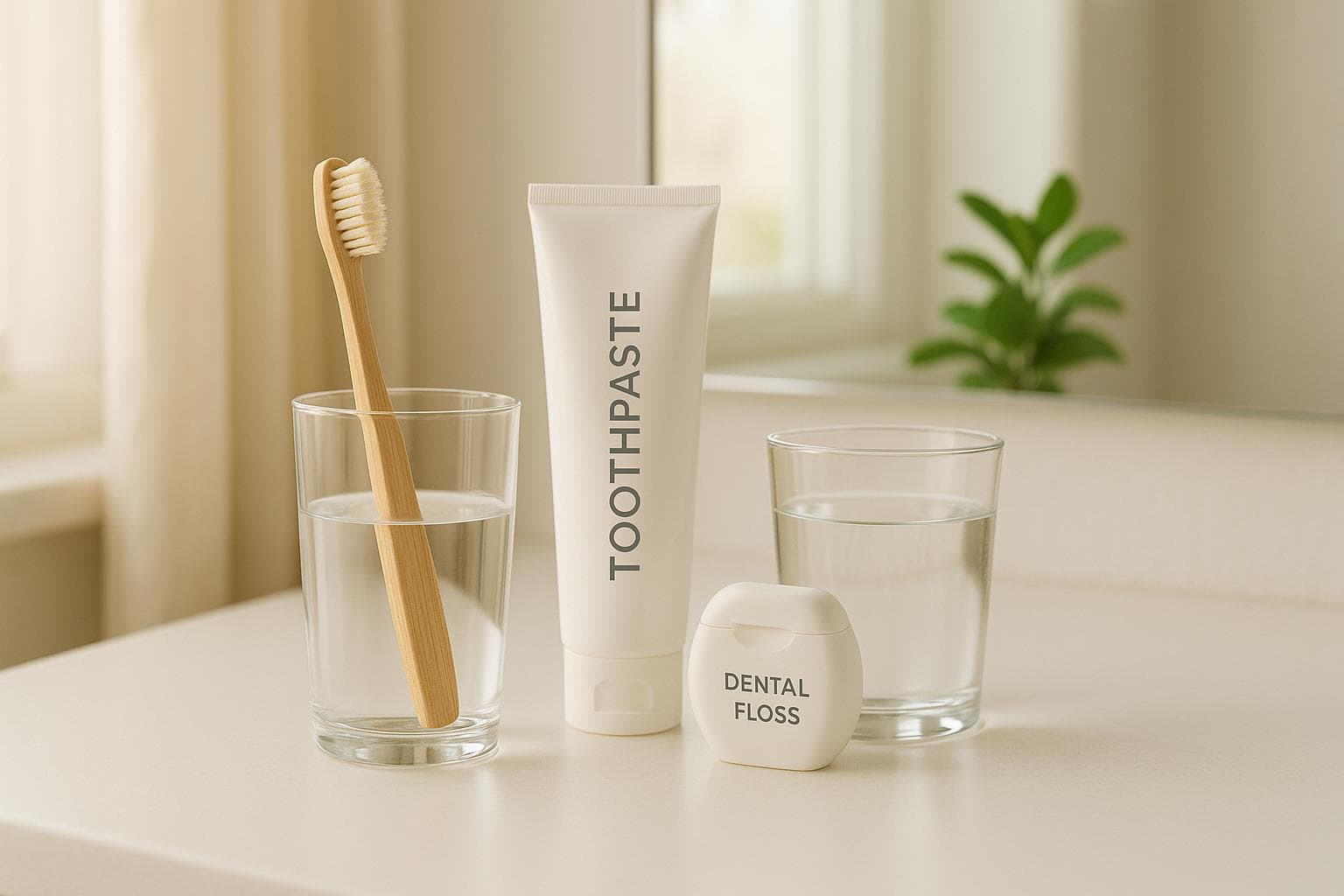
- Daily Care: Brush twice a day with fluoride toothpaste, clean between teeth daily (floss, water flosser, or interdental brushes), and use mouthwash for added protection.
- Regular Checkups: Visit your dentist every 6 months (or more often if you have specific risk factors like diabetes or gum disease).
- Smart Diet Choices: Limit sugary and acidic foods, eat calcium-rich and tooth-friendly foods, and drink fluoridated water.
- Modern Tools & Treatments: Use digital dental tools like intraoral scanners and X-rays for early problem detection, and consider preventive treatments like fluoride applications and sealants.
Your oral health impacts your overall well-being, so small daily habits and regular dental care can prevent major issues like gum disease, cavities, and even broader health problems like heart disease.
Protecting Your Teeth: 6 Habits To Avoid for Long Term Oral Health #DenverDentist #ClermontDental
Basic Daily Oral Care
Taking care of your teeth and gums every day is a cornerstone of maintaining long-term dental health.
Toothbrushing Steps and Methods
Use a soft-bristled toothbrush with fluoride toothpaste and brush for two minutes, twice a day. Hold the brush at a 45° angle to your gums and use gentle, circular motions.
- Clean the outer surfaces of your teeth with small circles.
- For the inner surfaces, tilt the brush vertically for the front teeth and use circular motions for the back teeth.
- Use back-and-forth strokes on chewing surfaces.
- Don’t forget to gently brush your tongue to remove bacteria.
If you’re using an electric toothbrush, let the brush do the work – just guide it over your teeth without applying extra pressure. Replace your toothbrush or the brush head on your electric toothbrush every 3–4 months, or sooner if the bristles start to fray.
Flossing and Between-Teeth Cleaning
Cleaning between your teeth daily is just as important as brushing. It helps remove plaque and food particles from spots your toothbrush can’t reach. Here’s how to do it: take about 18 inches of dental floss, wrap most of it around your middle fingers, and leave 1–2 inches to work with.
| Cleaning Method | Best For | Maintenance |
|---|---|---|
| Traditional Floss | Normal spacing | Replace daily |
| Water Flosser | Braces, bridges, implants | Replace tips every 3–6 months |
| Interdental Brushes | Wide spaces, dental work | Replace when bristles wear |
When flossing, curve the floss into a C-shape around each tooth and slide it gently up and down, reaching just below the gumline. Be careful not to snap the floss, as this can harm your gums. Once you’ve finished cleaning between your teeth, you’re ready to get the most out of using mouthwash.
Mouthwash Selection and Use
Adding mouthwash to your routine can help reduce bacteria and keep your breath fresh. However, it’s an extra step – not a replacement for brushing and flossing.
- Pick an alcohol-free option if you have sensitive gums.
- Swish the mouthwash vigorously for 30–60 seconds.
- Avoid eating or drinking for 30 minutes afterward.
- Always follow the instructions on the product label.
At Shoal Creek Smile Studio in Austin, TX, we suggest using a fluoride-based mouthwash at night for added cavity protection while you sleep. Keep in mind, though, that mouthwash works best when paired with proper brushing and flossing habits. These remain your strongest tools for preventing oral health problems.
Professional Dental Visits
Taking care of your oral health goes beyond brushing and flossing at home. Regular dental visits play a crucial role in identifying potential issues early and ensuring long-term dental health.
6-Month Checkup Schedule
The American Dental Association suggests scheduling comprehensive exams and cleanings every six months. However, some individuals may need to visit more often, depending on specific risk factors:
| Risk Factor | Recommended Visit Frequency |
|---|---|
| Diabetes | Every 3–4 months |
| Active Gum Disease | Every 3–4 months |
| Pregnancy | Every 4–6 months |
| Healthy Adults (Low Risk) | Every 6 months |
At Shoal Creek Smile Studio, routine appointments include digital X-rays, oral cancer screenings, gum health evaluations, assessments of existing dental work, bite analysis, and professional cleanings.
Research highlights the benefits of regular dental care, showing that it can significantly lower the risk of tooth loss and gum disease. Additionally, consistent preventive care may cut dental costs by up to 40% over five years compared to relying solely on emergency treatments.
Preventive Dental Treatments
In addition to regular checkups, preventive treatments offer extra protection for your teeth:
- Fluoride Treatments: A concentrated fluoride application helps strengthen enamel and lowers the risk of cavities.
- Dental Sealants: These coatings provide a protective shield over molars, reducing cavity risk by nearly 80%.
- Advanced Cleaning Techniques:
- Ultrasonic scalers to remove larger deposits
- Hand tools for detailed cleaning below the gumline
- Polishing to remove surface stains
- Deep cleaning when necessary to address gum disease
For new patients, Shoal Creek Smile Studio offers a comprehensive exam package for $150. This includes full-mouth X-rays, an oral cancer screening, and a digital evaluation of gum health and bite alignment.
Regular dental visits don’t just preserve your smile – they can also help detect broader health issues early, thanks to thorough oral examinations.
sbb-itb-fb98d5c
Diet and Oral Health
What you eat plays a big role in your oral health. Your dietary habits influence everything from the strength of your teeth to your risk of cavities. By making smart food choices, you can help protect your smile.
Sugar and Acid Management
Too much sugar can lead to tooth decay because bacteria in your mouth turn sugars into acids, which wear down your enamel. Similarly, acidic foods and drinks – like citrus fruits, sodas, and sports drinks – can weaken your enamel over time. If you’ve had something acidic, wait at least 30 minutes before brushing your teeth to avoid causing further damage.
Here are some tips to minimize damage from sugar and acid:
- Use a straw when drinking acidic beverages to reduce contact with your teeth.
- Rinse your mouth with water after eating acidic foods or drinking sugary drinks.
- Save sugary treats for mealtimes, when saliva production helps neutralize acids.
- Chew sugar-free gum with xylitol after meals to stimulate saliva and reduce bacteria.
Studies show that drinking three or more sugary beverages a day can increase your risk of dental decay by 62%. Managing your intake of sugar and acidic foods is just one part of the equation. Adding tooth-friendly nutrients to your diet is equally important.
Tooth-Strengthening Foods
Certain nutrients are essential for strong teeth and healthy gums. Foods rich in calcium, like low-fat dairy, fortified plant-based milk, kale, and almonds, are excellent for maintaining enamel. Phosphorus, found in eggs, lean meats, fish, and legumes, also plays a key role in keeping teeth strong. Crunchy foods like apples, raw carrots, celery, and plain yogurt act as natural cleaners, helping to scrub away plaque.
At Shoal Creek Smile Studio, we often suggest eating a piece of cheese after sugary snacks. The calcium in cheese helps neutralize harmful acids and protects your enamel.
A well-rounded diet doesn’t just strengthen teeth – it also supports gum health, aids tissue repair, and boosts your immune system to fight off gum disease and oral infections.
And don’t forget to drink fluoridated tap water. It helps remineralize enamel and provides additional protection for your teeth.
Modern Oral Care Methods
Today’s dental care combines cutting-edge technology with a deeper understanding of the oral microbiome. These advancements work hand-in-hand with daily oral hygiene and regular dental visits, allowing for earlier detection and more tailored treatments.
Balancing Oral Bacteria
Your mouth is home to over 700 species of bacteria, making it crucial to maintain a healthy balance. Modern methods to support this balance include:
- Targeted Probiotics: Oral probiotics, such as those containing Streptococcus salivarius, can help suppress harmful bacteria while promoting beneficial ones.
- Selective Antimicrobials: Specialized mouthwashes are designed to eliminate harmful bacteria without disrupting the good ones.
Research indicates that using oral probiotics can reduce plaque buildup and gum inflammation by as much as 30%. At Shoal Creek Smile Studio, we offer personalized plans to manage your oral bacteria effectively, ensuring a healthier microbiome. In addition to this, digital advancements are revolutionizing how dental issues are diagnosed and treated.
Digital Dental Tools
Modern dental practices rely on advanced digital tools to enhance accuracy in diagnostics and treatment planning. These tools not only improve precision but also make the patient experience more comfortable.
| Digital Tool | Purpose | Patient Benefit |
|---|---|---|
| Intraoral Scanners | Creates 3D images of the mouth | No more uncomfortable traditional impressions |
| Digital X-rays | Captures high-resolution images | Reduces radiation exposure compared to traditional X-rays |
| AI-Powered Diagnostics | Identifies early signs of cavities and gum issues | Detects problems up to 30% earlier than conventional methods |
Studies have shown that digital diagnostic tools can improve early detection rates of oral health problems by up to 30% compared to traditional techniques.
At Shoal Creek Smile Studio, we use advanced digital scanning systems to provide comprehensive oral health evaluations. These tools allow us to identify early signs of tooth decay, gum disease, and other concerns – often before they become visible to the naked eye. When paired with regular preventive care, these technologies help us create proactive, customized treatment plans that support long-term oral health.
Summary
Maintaining excellent oral health requires a mix of consistent daily habits, regular dental visits, mindful eating, and the use of modern tools. Together, these steps help ensure your teeth and gums stay healthy for life.
Here’s a closer look at the essentials:
Daily Care
Brush your teeth twice a day using fluoride toothpaste, and don’t skip cleaning between your teeth. Whether it’s flossing or using interdental brushes, this step is key to preventing cavities and gum disease.
Regular Checkups
Seeing your dentist every six months is a must. At Shoal Creek Smile Studio, these routine visits not only provide deep cleanings but also help catch potential issues early, keeping your smile in top shape.
Smart Food Choices
What you eat plays a big role in oral health. Cut back on sugary snacks, opt for calcium-rich foods, and drink fluoridated water. These choices can strengthen enamel and reduce the risk of cavities.
Technology in Dental Care
Modern digital tools are a game-changer. They help spot problems early and work alongside traditional methods to improve prevention and ensure long-term dental health.
FAQs
What are the best ways to maintain a healthy balance of oral bacteria for better oral health?
Maintaining the right balance of oral bacteria is crucial for keeping your teeth and gums healthy over time. Here are some effective ways to support your oral health:
- Brush and floss every day to get rid of food particles and plaque that can disrupt bacterial balance. Using fluoride toothpaste adds an extra layer of protection.
- Cut back on sugary and acidic foods, as they promote the growth of harmful bacteria. Instead, focus on eating a variety of vegetables, fruits, and whole grains for a more balanced diet.
- Drink plenty of water throughout the day. Staying hydrated not only rinses away food debris but also boosts saliva production, which naturally helps regulate bacteria in your mouth.
- Schedule regular dental visits for cleanings and check-ups. Professional care can spot and address any issues before they become bigger problems.
For those in Austin, TX, Shoal Creek Smile Studio offers thorough dental care, including preventive services, to keep your smile in top shape. With a commitment to comfort and personalized attention, they make sure you feel supported at every step.
How do digital dental tools help detect oral health issues early?
Digital dental tools, including advanced imaging systems and diagnostic software, have transformed how dentists detect oral health issues. These technologies make it possible to catch problems like cavities, gum disease, or structural damage early – often before they escalate into more severe conditions. This proactive approach can minimize the need for invasive procedures.
With tools like digital X-rays and 3D imaging, dentists can deliver more precise diagnoses and tailor treatment plans specifically to each patient. Catching issues early not only protects your oral health in the long run but can also save you both time and money by addressing concerns before they worsen.
How does what I eat affect my chances of getting cavities or gum disease?
Your diet has a big impact on your oral health. When you consume foods and drinks packed with sugar or starch, they feed the harmful bacteria in your mouth. This can lead to plaque buildup, which increases the chances of cavities and gum disease. Snacks like candy, soda, and chips are particularly troublesome because they stick to your teeth, giving bacteria more time to thrive.
To keep your teeth healthy, aim for a balanced diet. Include plenty of fresh fruits, vegetables, lean proteins, and dairy products like cheese or yogurt – these can help neutralize acids and strengthen your enamel. Don’t forget to drink lots of water, especially fluoridated water, as it helps wash away food particles and supports your overall oral health.