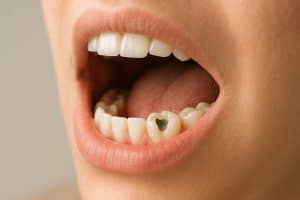

Dry mouth can make wearing dentures uncomfortable and challenging. It affects fit, stability, and oral health, especially in seniors. Causes include medications, health conditions, and reduced saliva production with age. Saliva helps dentures stay in place, reduces friction, and protects against infections. Without enough saliva, dentures can slip, irritate gums, and make eating or speaking harder.
Key Takeaways:
- Common Causes: Medications, chronic diseases, and aging.
- Impact on Dentures: Poor fit, gum soreness, and increased infection risk.
- Solutions: Stay hydrated, use saliva substitutes, adjust dentures, and maintain good oral hygiene.
- Professional Help: Dentists can improve denture fit, recommend adhesives, or suggest advanced treatments like implant-supported dentures.
If dry mouth persists, consult a dentist for personalized care and relief.
Dentures Causing a Dry Mouth? Try This
How Dry Mouth Affects Denture Fit and Comfort
Saliva plays a crucial role in keeping dentures secure and comfortable. When saliva production drops, it directly impacts how well dentures perform. Saliva’s adhesive and lubricating properties are essential for creating suction and minimizing friction. Without enough saliva, dentures lose their grip and can become unstable. The amount, consistency, and flow of saliva all contribute to maintaining a proper fit. In a healthy mouth, thin, viscous saliva ensures both lubrication and suction, which are vital for denture retention. A lack of saliva not only makes dentures less stable but also leads to irritation and discomfort during daily wear.
Problems with Denture Retention and Stability
When saliva levels are insufficient, dentures lose the adhesive support they rely on, leaving them feeling loose and unsteady.
Dr. Turki AlShehri, a Resident Dentist at East of Riyadh Dental Complex, highlights the broader impact of this issue:
"Xerostomia substantially diminishes life quality, especially for those relying on dentures."
Higher Risk of Soreness and Irritation
Low saliva production doesn’t just affect denture stability – it also increases friction. This can cause dentures to shift, leading to gum irritation and soreness. Over time, the repeated irritation may worsen, creating a cycle of discomfort and an increasingly poor fit. Soft tissue trauma becomes a common issue, making it even harder for denture wearers to find relief.
Caring for Dentures When You Have Dry Mouth
For seniors, taking care of dentures goes beyond basic cleaning – it’s about ensuring they fit well, feel comfortable, and support overall oral health. Dry mouth, in particular, can make dentures more fragile, increase the risk of damage, and leave you more vulnerable to infections.
How to Prevent Denture Damage
To keep your dentures in good shape, avoid letting them dry out completely. When not in use – especially overnight – soak them in a denture-safe solution to help maintain their structure and fit.
Be cautious with water temperature when cleaning or soaking your dentures. Hot or boiling water can warp their shape, so stick to room temperature or lukewarm water instead. Commercial denture cleansers, available in various forms like tablets, creams, or gels, are specially formulated to clean dentures without causing harm.
Daily cleaning is essential. Use a soft-bristled brush and a non-abrasive cleaner to gently clean your dentures, steering clear of harsh products like bleach or powdered cleansers. Additionally, ensure you remove any adhesive residue every day and clean both your dentures and your mouth thoroughly. This routine helps prevent buildup that could affect how your dentures fit and feel. The American College of Prosthodontists advises against using adhesives with zinc, as a precaution.
Proper care doesn’t just protect your dentures – it also helps lower the risk of infections.
How to Prevent Oral Infections
Good hygiene practices are key to reducing the risk of oral infections, especially since dry mouth can leave you more prone to issues like thrush and stomatitis.
Start by cleaning both your dentures and your mouth thoroughly. Brush your gums, tongue, and any other areas not covered by dentures to remove plaque and bacteria. After meals, rinse your mouth with water to wash away food particles and bacteria.
Removing and cleaning your dentures every night is crucial. This gives your oral tissues a chance to rest and recover, reducing the likelihood of complications. If you use an antimicrobial denture adhesive, follow your dentist’s instructions carefully, especially when it comes to choosing products with or without zinc. Regular dental check-ups – every 4 to 6 months – are also important. These visits help your dentist fine-tune your care routine and address any new issues that may arise.
sbb-itb-fb98d5c
Treatment Options for Dry Mouth with Dentures
Managing dry mouth while wearing dentures requires a combination of proper care and targeted treatments. By addressing the root causes and making thoughtful adjustments, seniors can reduce discomfort and improve denture function.
Lifestyle and Medical Adjustments
Simple lifestyle changes can make a big difference. Start by staying hydrated – frequent sips of water can help keep your mouth and dentures moist. Cutting back on caffeine, tobacco, and alcohol may also reduce dryness, as these are common irritants.
Your diet plays a role too. Add moisture-rich foods like melons, cucumbers, and soups to your meals, and try to avoid sugary, acidic, or spicy items that can irritate your mouth. Chewing sugar-free gum or sucking on sugar-free lozenges can also stimulate saliva production.
Environmental factors matter as well. Using a humidifier in your bedroom at night can add moisture to the air, which helps prevent dryness. Breathing through your nose instead of your mouth can also help retain oral moisture. If you’re on medications – over 1,800 are known to reduce saliva production – talk to your doctor about possible alternatives.
Professional Dental Treatments
When lifestyle changes aren’t enough, professional dental care can provide additional relief. Dentists can make adjustments to improve the fit of your dentures, reducing friction and discomfort caused by dry mouth. Denture adhesives are another option, helping to secure dentures when natural suction is diminished.
For a more stable solution, implant-supported dentures might be worth exploring. These rely less on saliva for retention, offering improved comfort. Saliva substitutes, such as sprays, gels, or rinses, can also help. For example, lipid-based oral sprays often provide longer-lasting moisture compared to water-based options.
More advanced treatments are available for those with severe dry mouth. Electrostimulation, which uses mild electrical impulses to stimulate salivary glands, is one option. Another is reservoir dentures, which are specially designed with compartments that release saliva substitutes throughout the day. Your dentist can help you decide which approach – stimulating natural saliva or using artificial substitutes – is best for you.
Preventing and Treating Infections
Dry mouth increases the risk of oral infections, so prevention is key. One common issue is denture stomatitis, a type of thrush caused by Candida overgrowth. This condition affects up to 67% of denture wearers, especially those with full dentures. If an infection occurs, your dentist may prescribe antifungal treatments like nystatin or miconazole.
Maintaining good oral hygiene is essential. Follow your dentist’s recommendations for cleaning your dentures and schedule regular dental checkups every 4 to 6 months. Early detection of any issues can prevent them from worsening.
Dietary changes can also help. Reducing sugary and carbohydrate-heavy foods limits the growth of harmful bacteria and fungi. Pairing these changes with proper hydration and using oral moisturizers, such as Biotene Dry Mouth Gel, creates an environment less prone to infections. Combined with daily care, these measures ensure better comfort and overall oral health, even with dry mouth.
When to See a Dentist
If you’re dealing with ongoing discomfort, soreness, or visible injuries in your mouth related to your dentures, it’s time to seek professional help.
Signs You Need Professional Help
Certain warning signs suggest it’s time for a dental evaluation. For instance, if you’re experiencing new discomfort, tenderness, or pain while wearing your dentures, it could be a sign of chronic dry mouth. As the Affordable Dentures & Implants Clinical Content Team explains:
"Saliva helps cushion your dentures against your gums and prevents friction, so new discomfort, tenderness, or pain when wearing your dentures can be a sign of chronic dry mouth."
Other symptoms that require immediate attention include soreness, bleeding, or open wounds caused by friction or pressure from your dentures. You might also notice cracking or splitting in the soft tissues of your cheeks and lips, which can lead to considerable discomfort. Additional red flags include denture sores or your tongue sticking to the roof of your mouth due to reduced saliva production.
Recurring infections, such as oral thrush, can further complicate your experience with dentures and need prompt treatment. If these issues persist despite trying home remedies or staying hydrated, it’s crucial to consult a dentist. Professional care can provide the targeted solutions you need to address these challenges effectively.
Shoal Creek Smile Studio: Personalized Denture Care
For seniors struggling with these issues, professional dental care offers both diagnosis and specialized treatments. Shoal Creek Smile Studio, located in Austin, TX, delivers comprehensive care tailored to the unique needs of seniors dealing with dry mouth and denture challenges. Founded by Dr. John Babineau and Dr. Lori Babineau, the practice combines modern dental technology with a personalized approach.
Their team can adjust your dentures for a better fit and greater comfort or suggest alternatives like moisturizing denture pads or implant-supported dentures. They also provide customized denture designs specifically designed to improve comfort, retention, and oral health for those experiencing dry mouth.
Specialized options include saliva substitutes and advice on managing symptoms through lifestyle changes. Using tools like digital X-rays and intraoral cameras, they ensure precise diagnoses and early detection of potential problems.
To maintain optimal denture performance and oral health, regular check-ups every six months – or more frequently if needed – are essential. The experienced team at Shoal Creek Smile Studio offers personalized treatments and guidance to help alleviate dry mouth symptoms while improving your overall dental health.
Key Points for Seniors with Dry Mouth and Dentures
Dealing with dry mouth while wearing dentures involves a combination of good self-care, regular dental visits, and practical lifestyle adjustments. Saliva plays a crucial role in cushioning dentures and keeping the mouth clean, so managing dryness is essential for comfort and oral health.
Here are some useful tips: stay hydrated, use saliva substitutes, chew sugar-free gum to stimulate saliva production, and maintain a strict denture care routine. This means cleaning your dentures daily, soaking them overnight, and always removing them at bedtime. These steps help ensure your dentures stay clean and fit properly.
Make sure to visit your dentist at least twice a year – or more often if dry mouth symptoms persist. Regular check-ups help ensure your dentures fit well and allow any oral health concerns to be addressed early on.
Simple lifestyle adjustments can also make a big difference. Avoid caffeine and alcohol, as they can contribute to dehydration. Using a humidifier in your bedroom can add moisture to the air, making nighttime more comfortable. Eating a balanced diet rich in calcium and vitamins can support overall oral health, while cutting back on sugary snacks reduces the risk of further complications.
FAQs
What are the best saliva substitutes to help seniors with dry mouth feel more comfortable wearing dentures?
For seniors dealing with dry mouth, using saliva substitutes can make wearing dentures much more comfortable by adding essential moisture. Look for products that contain xylitol, carboxymethylcellulose, or hydroxyethyl cellulose, as these ingredients are known to be effective. Some popular choices include Biotene Oralbalance Moisturizing Gel, Mouth Kote, and Oasis Moisturizing Mouth Spray.
These substitutes work by imitating the natural properties of saliva, helping to ease discomfort and improve how dentures fit. With regular use, they can significantly enhance both oral health and the overall experience of wearing dentures. If you’re unsure which product might suit you best, it’s a good idea to ask your dentist for tailored advice.
What are the benefits of implant-supported dentures for seniors with dry mouth?
Implant-supported dentures are a game-changer for seniors dealing with dry mouth. Unlike traditional dentures, which depend on saliva for staying in place and can become loose or uncomfortable when saliva production is low, these dentures are firmly anchored to the jawbone. This means they remain stable and comfortable, even in dry conditions.
Beyond stability, implant-supported dentures also help protect jawbone health and preserve facial structure – issues that can become problematic over time with traditional dentures. For seniors managing dry mouth, this option not only reduces irritation but also ensures a better, more comfortable fit, contributing to improved oral health and overall quality of life.
What can seniors do to manage dry mouth and make dentures more comfortable?
Seniors can ease dry mouth and make dentures more comfortable by keeping hydrated. Regularly sipping water throughout the day helps maintain moisture in the mouth. It’s also a good idea to steer clear of caffeine, alcohol, and tobacco, as these can dry out your mouth even more.
To boost saliva production, try using saliva substitutes or chewing sugar-free gum. Including moisture-packed foods like soups, stews, and fresh fruits in your meals can also provide relief. These small adjustments can significantly improve both oral comfort and how well your dentures fit.