Sleep apnea affects millions and can lead to serious health issues like heart disease, diabetes, and cognitive problems. But the good news? There are effective treatments available.
Here’s a quick overview of what you need to know:
- Types of Sleep Apnea: Obstructive (OSA), Central (CSA), and Complex (both OSA and CSA combined).
- Common Symptoms: Snoring, daytime sleepiness, morning headaches, frequent nighttime urination, and dry mouth.
- Health Risks: High blood pressure, heart problems, diabetes, memory issues, and more.
- Treatment Options:
- CPAP Machines: Keeps airways open with pressurized air.
- Dental Devices: Custom-fitted to improve airflow.
- Lifestyle Changes: Weight loss, sleep position adjustments.
- Surgery: For severe cases or when other treatments fail.
- New Technologies: Adaptive servoventilation (ASV) for central sleep apnea.
Key Tip: Early diagnosis and personalized treatment can significantly improve your health and quality of life. Consult a specialist to find the right solution for you.
Signs and Health Risks
Warning Signs
Sleep apnea often goes unnoticed because many of its symptoms occur while you’re asleep. Studies indicate that around 90% of people with obstructive sleep apnea (OSA) snore, though not everyone who snores has the condition. The symptoms can disrupt daily life and vary widely.
Here are some of the most common warning signs:
| Symptom | Frequency | Additional Details |
|---|---|---|
| Loud Snoring | 90% of OSA cases | Often features gasping or choking sounds |
| Daytime Sleepiness | 40–58% of cases | Happens even with sufficient sleep |
| Morning Headaches | 10–30% of cases | Usually fades within hours of waking |
| Nighttime Urination | Nearly 50% of cases | Frequent bathroom trips during the night |
| Dry Mouth | Over 33% of cases | Can cause throat soreness in the morning |
| Insomnia Symptoms | Up to 33% of cases | Difficulty staying asleep |
"If you suspect that you or a loved one may have sleep apnea, understanding the signs and symptoms is the first step toward improving your sleep and overall health." – Dr. Mandy Grimshaw, Dentist at Shoal Creek Smile Studio
Untreated sleep apnea can lead to serious health problems beyond these symptoms.
Medical Complications
When left untreated, sleep apnea can cause significant health issues across various systems in the body. Among Americans aged 30 to 70, about 26% have OSA, though many remain undiagnosed.
Heart health is especially affected. Research from the Journal of the American College of Cardiology shows that sleep apnea can change the heart’s structure, resulting in enlarged chambers, thicker walls, and reduced pumping efficiency. Additionally, up to 40% of people with heart failure have symptoms of sleep apnea.
Here are some key health risks:
Cardiovascular System
- High blood pressure
- Irregular heartbeat
- Stroke risk increases by up to 25% during sleep
- Heart failure
- Pulmonary hypertension
Other Major Systems
- Respiratory problems, including worsening asthma and COPD
- Cognitive issues like memory loss and mental fog
- Hormonal imbalances affecting the endocrine system
- Dental issues, such as dry mouth and tooth decay
- Higher likelihood of developing type 2 diabetes
The severity of these complications often matches the severity of sleep apnea. Those with severe OSA face a much higher risk of death compared to people without the condition. Early diagnosis and treatment are critical to reducing these risks.
Sleep apnea treatment options explained | UCLA Health

sbb-itb-fb98d5c
Treatment Options
Sleep apnea treatment now includes a variety of tailored options. Research indicates that effective management can lower crash risk by 72% in commercial drivers and improve overall quality of life.
CPAP Machines
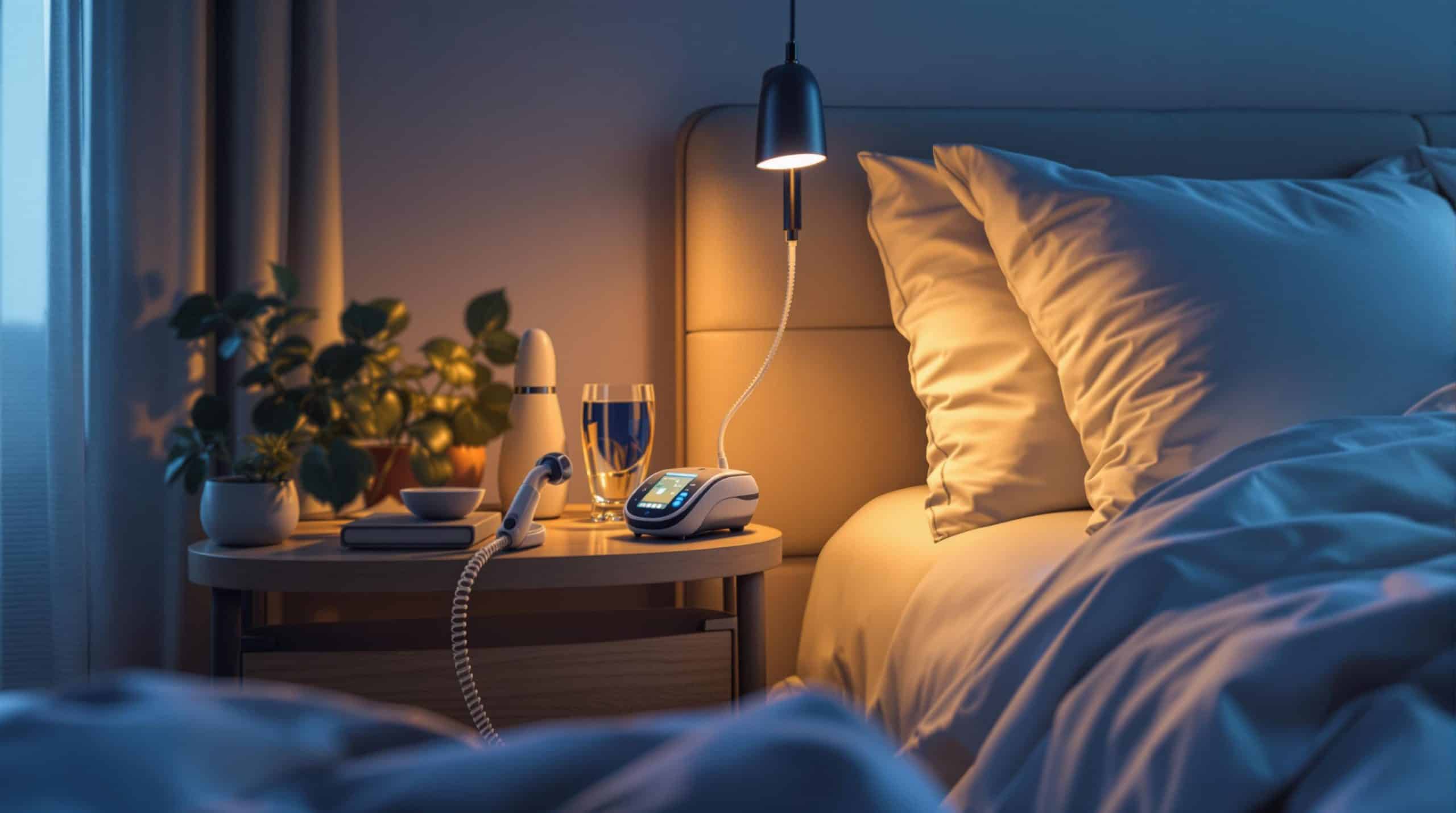
Continuous Positive Airway Pressure (CPAP) remains the primary treatment for obstructive sleep apnea (OSA). These machines deliver pressurized air through a mask to keep airways open during sleep. Modern CPAP machines come with features designed to improve comfort and usability:
| Feature | Benefit | Usage Tips |
|---|---|---|
| Heated Humidification | Reduces dry mouth and throat irritation | Adjust settings based on room conditions |
| Auto-Pressure Adjustment | Adapts to breathing changes automatically | Ensure regular calibration for best results |
| Multiple Mask Options | Enhances comfort in different positions | Try various styles for a better fit |
For those who find CPAP challenging, starting with lower pressure settings and gradually increasing them can help. Alternatively, dental devices are a viable option.
Dental Devices
Shoal Creek Smile Studio offers custom Mandibular Advancement Devices (MADs) for mild to moderate sleep apnea. These devices are effective because they:
- Move the lower jaw forward
- Keep airways open during sleep
- Reduce snoring and breathing interruptions
Studies show oral appliances can reduce breathing events to fewer than 5 per hour in 42.8% of mild to moderate OSA cases.
Daily Habits That Help
Lifestyle changes can also play a key role in managing sleep apnea. Research highlights several strategies:
- Weight Management: Losing weight, even modest amounts, can significantly alleviate symptoms in overweight patients.
- Sleep Position Training: Positional therapy is helpful for patients whose symptoms worsen when sleeping on their back.
Surgery Options
Surgical treatments aim to reduce breathing events by 50% or bring them below 20 per hour. Phase I surgeries, which remove excess tissue blocking the airways, have been particularly effective for non-obese patients with mild to moderate OSA.
New Treatments
Adaptive servoventilation (ASV), recently approved by the FDA, offers promising results for central sleep apnea. This technology adjusts pressure support automatically based on breathing patterns. Combining multiple treatments often provides better symptom control and long-term adherence.
Selecting Your Treatment
Key Decision Points
Choosing the right treatment for sleep apnea depends on several factors. The severity of your condition is critical. While CPAP is often considered the standard treatment, other options might be better suited to your needs.
| Factor | Consideration | Suggested Treatment |
|---|---|---|
| Mild to Moderate OSA | AHI between 5–30 events/hour | Oral appliances and lifestyle adjustments |
| Severe OSA | AHI above 30 events/hour | CPAP as the primary option |
| BMI above 30 | Obesity | CPAP paired with a weight management plan |
| Position-dependent symptoms | Symptoms worsen when sleeping on your back | Positional therapy alongside your main treatment |
Your lifestyle and personal preferences also matter. For example, frequent travelers may find oral appliances more practical than CPAP devices. Additionally, BMI and other health factors can influence the treatment approach.
Next, explore how our team creates customized treatment plans tailored to your needs.
Getting Expert Help
Expert guidance can make a huge difference in managing sleep apnea effectively. At Shoal Creek Smile Studio, Dr. John Babineau and Dr. Lori Babineau lead a multidisciplinary team dedicated to personalizing your treatment. For patients who struggle with CPAP, we collaborate with neurologists, sleep specialists, and surgeons to identify and address airway blockages.
Here’s how our process works:
- Evaluation
We conduct a detailed oral examination to determine if oral appliance therapy is right for you. - Plan Development
Based on your OSA severity, lifestyle, and medical history, we design a tailored treatment plan. Studies show that custom oral appliances can reduce breathing events to fewer than 5 per hour in 42.8% of mild to moderate OSA cases. - Follow-up
Regular check-ins ensure your treatment is working and remains comfortable. Adjustments are made as needed to improve results.
Next Steps
Taking action against sleep apnea is crucial. When untreated, it can lower alertness and increase the likelihood of accidents. Proper treatment not only reduces symptoms like snoring but also helps you feel more awake and improves your overall quality of life. Here’s how you can get started:
- Schedule a Consultation
Call 512-459-7811 to book your appointment. We’re available Monday through Friday at our Austin office, located at 5017 Bull Creek Rd. - Complete Sleep Testing
We provide convenient at-home sleep testing to diagnose your condition. Already have a sleep apnea diagnosis? Bring your documentation to simplify the process. - Get a Tailored Treatment Plan
Dr. John Babineau and Dr. Lori Babineau will assess your needs and create a treatment plan designed just for you.
"At Shoal Creek Smile Studio, we’re committed to helping our patients find effective, non-invasive solutions to treat their sleep apnea." – Shoal Creek Smile Studio
Ongoing care and regular follow-ups are key to successful treatment. Our team is here to guide and support you every step of the way.
Reach out to Shoal Creek Smile Studio today and take the first step toward better sleep and more energy.