
Dental veneers are thin, custom-made shells that improve the look of your teeth by addressing stains, chips, or gaps. Here’s what you need to know:
- Types of Veneers:
- Porcelain: Lasts 10+ years, stain-resistant, requires enamel removal.
- Composite Resin: Lasts 5-10 years, conserves enamel, may yellow over time.
- Benefits:
- Fixes chips, stains, and small gaps.
- Offers a natural, long-lasting smile improvement.
- Who Can Get Veneers?
- Healthy teeth and gums.
- Enough enamel for bonding.
- Minor cosmetic issues like discoloration or slight misalignment.
- Process:
- Consultation and planning.
- Tooth preparation (minimal reshaping for thin veneers, enamel removal for traditional veneers).
- Final installation and bonding.
- Costs:
- Porcelain: $900–$2,500 per tooth.
- Composite: $250–$1,500 per tooth.
- Insurance rarely covers veneers unless medically necessary.
- Care Tips:
- Brush and floss daily.
- Avoid hard foods and teeth grinding.
- Regular dental checkups.
| Veneer Type | Lifespan | Cost Per Tooth | Stain Resistance | Enamel Removal |
|---|---|---|---|---|
| Porcelain | 10+ years | $900–$2,500 | High | Yes |
| Composite Resin | 5–10 years | $250–$1,500 | Low | Minimal |
Veneers can transform your smile, but proper care and consultation with a dentist are key to long-term success.
Before you get Dental Veneers Watch This! | Are Veneers …
Who Can Get Dental Veneers?
Teens and adults are common candidates for dental veneers. Below, you’ll find details on who qualifies and the conditions that might require attention before veneers are applied.
Candidates
To be a good candidate for dental veneers, you should meet these criteria:
| Requirement | Description |
|---|---|
| Healthy Teeth | No active tooth decay or gum disease |
| Clear Goals | Defined expectations for improving your smile |
| Minor Issues | Cosmetic concerns like stains, chips, or slight misalignment |
| Good Habits | A consistent oral hygiene routine |
| Sufficient Enamel | Enough tooth structure to support proper bonding |
"Generally, anyone who has good oral health and who is committed to maintaining their new smile can get porcelain veneers without a problem." – Lake Oconee Dental Blog
"The patient should have a good idea of how he or she would want their smile to change, and realistically, the Fayetteville dentist must determine if the idea is doable and if it would truly look good. Factors to consider are the patient’s age, smile width, size and length of teeth and more."
Before veneers can be applied, certain conditions may need to be addressed.
Medical Restrictions
Some dental or oral health issues can delay veneer placement:
Severe Misalignment: Teeth that are significantly misaligned can make cleaning difficult, affect how veneers look, and increase the risk of cavities.
Oral Health Problems:
- Active tooth decay
- Gum disease (periodontal issues)
- Weak or damaged tooth structure
- Not enough enamel for proper bonding
These problems should be treated first to achieve the best results.
Steps to Getting Dental Veneers
The process of getting dental veneers involves a few key stages.
First Appointment
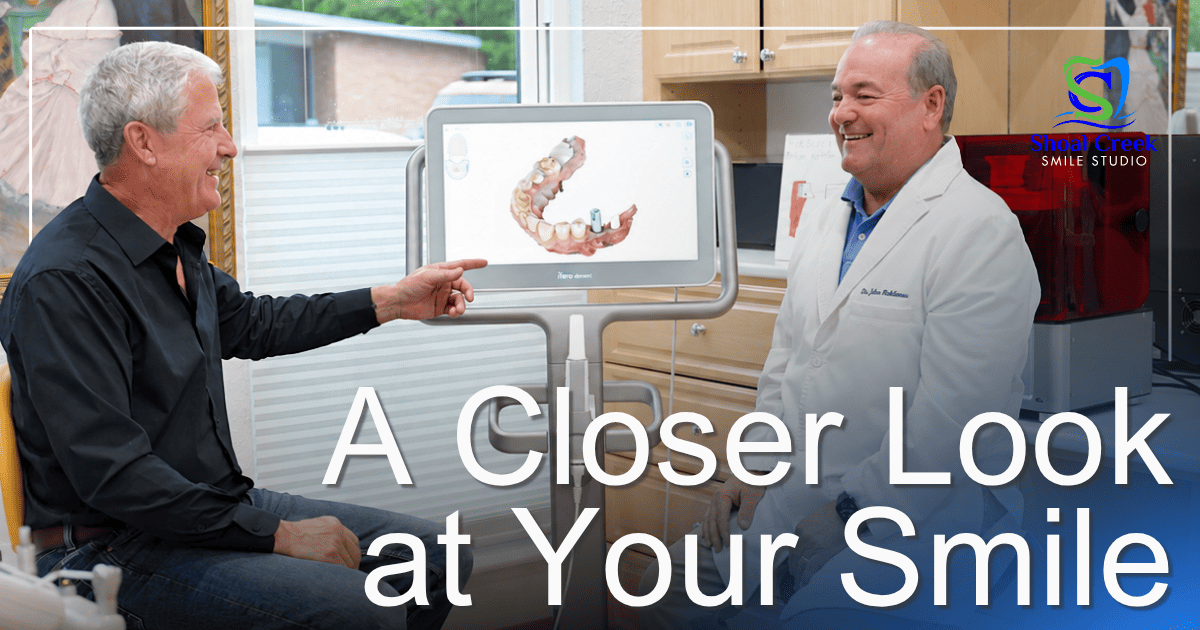
At your first visit, the dentist will examine your oral health to determine if veneers are a good option for you. This includes a full dental checkup, digital imaging, and taking impressions of your teeth. You’ll also discuss your smile goals to create a tailored treatment plan. Your dentist might even show you a preview of the expected results. After this, the teeth are prepared for the veneers.
Tooth Preparation
How your teeth are prepared depends on the type of veneers you’re getting. Here’s a quick comparison:
| Veneer Type | Preparation Required | Temporary Veneers Needed |
|---|---|---|
| Thin Veneers | Minimal reshaping (about 0.5 mm) | No |
| Traditional Veneers | Enamel removal (0.5 to 1 mm) | Yes |
For thin veneers, only slight reshaping is needed, while traditional veneers require more enamel removal. To make the process comfortable, your dentist will likely use local anesthesia. After reshaping, detailed impressions are sent to a lab to craft your veneers. Temporary veneers might be placed to protect your teeth until the final ones are ready.
Final Installation
Once your custom veneers are made, you’ll return for the final appointment. Temporary veneers, if used, are removed, your teeth are cleaned, and the permanent veneers are checked for fit and color. Finally, they’re bonded in place.
You might feel some sensitivity or a slight fullness under your upper lip after the procedure. These feelings usually fade within a few weeks as you adjust. If you grind your teeth at night, your dentist may suggest using a nightguard to keep your veneers safe.
sbb-itb-fb98d5c
Caring for Your Veneers
Veneer Lifespan
Dental veneers can last anywhere from 10 to 20 years, with research showing a 93.5% success rate at 10 years and 82.93% at 20 years. The lifespan of porcelain veneers depends largely on how well they’re cared for daily.
Here are some key factors that can impact how long your veneers last:
| Factor | Effect on Veneer Lifespan |
|---|---|
| Oral Hygiene | Good brushing and flossing habits help extend their lifespan |
| Lifestyle Habits | Avoiding hard foods and teeth grinding keeps them intact |
| Regular Checkups | Professional care prevents potential issues |
| Daily Activities | Using teeth as tools can cause damage |
| Diet Choices | Staining beverages may affect their look |
Consistent care is crucial for keeping your veneers in excellent condition.
Daily Care Instructions
Taking proper care of your veneers not only keeps them looking great but also helps maintain your overall oral health.
"Brushing twice a day for two minutes each time and flossing daily are key to maintaining a healthy smile with veneers. Also, getting your checkups and professional dental cleanings done twice a year is important as well".
Here are some steps to follow every day to make your veneers last longer:
Daily Essentials:
- Brush twice a day using a soft-bristled toothbrush.
- Floss gently around the edges of your veneers.
- Use a non-abrasive mouthwash to rinse.
Additional Protection Tips:
- Wear a mouthguard during sports or other high-impact activities.
- Use a nightguard if you grind your teeth while sleeping.
- Avoid chewing on hard objects like ice or pens.
Porcelain veneers are more resistant to staining compared to composite veneers because they maintain their color over time. By maintaining good oral hygiene and visiting your dentist every six months for cleanings and checkups, you can ensure your veneers stay functional and look great for years.
Veneer Costs and Payment Options
Price Range
The cost of dental veneers depends on the material used and how many teeth are being treated. Here’s a quick look at typical veneer prices in the U.S.:
| Veneer Type | Cost Per Tooth |
|---|---|
| Porcelain | $900 – $2,500 |
| Composite | $250 – $1,500 |
| Zirconium | $1,000 – $2,000 |
| Lumineers | $800 – $2,000 |
What affects the cost? Several factors come into play, including:
- Location: Prices can vary depending on where you live.
- Dentist’s Experience: More experienced dentists often charge higher fees.
- Case Complexity: Additional procedures can increase the overall cost.
- Material Used: High-quality materials generally cost more.
- Number of Teeth: Treating multiple teeth, such as full-mouth veneers, can cost anywhere from $7,200 to $20,000.
Knowing these details can help you plan your budget more effectively.
Payment and Insurance
Most dental insurance plans consider veneers a cosmetic procedure, so they usually don’t cover the cost. However, if veneers are required for structural reasons, insurance may cover 30% to 50% of the expense.
If insurance doesn’t cover veneers, here are some payment options to consider:
- Health Savings Accounts (HSA) or Flexible Spending Accounts (FSA)
- Medical credit cards
- Payment plans offered by dental offices
- Traditional credit cards
Keep in mind, there may be extra costs for things like initial consultations, X-rays, dental molds, and ongoing maintenance. It’s a good idea to discuss all payment options with your dentist to find a plan that works for you.
Pros and Cons
Comparing Benefits and Drawbacks
Here’s a breakdown of the advantages and disadvantages of dental veneers:
| Benefits | Drawbacks |
|---|---|
| Natural, radiant look | Permanent and irreversible |
| Resistant to stains | Can cause temporary sensitivity |
| Addresses multiple cosmetic issues | Doesn’t fix underlying dental problems |
| Protects damaged enamel | May require extra care for teeth grinding |
| Creates a noticeable smile improvement | |
| Easy to maintain |
Let’s dive deeper into these points for better understanding:
Key Advantages:
- They can fix gaps, discoloration, chips, and irregularly shaped teeth.
- When cared for properly, veneers can last more than ten years.
- Veneers act as a protective layer for worn enamel while still looking natural.
Important Considerations:
"Although veneers can address minor cosmetic issues, certain cosmetic dentistry conditions require additional treatment or may require restorative care prior to cosmetic procedures."
- If you grind or clench your teeth, using a night guard is recommended to protect your veneers.
- More severe dental problems might need a combination of treatments beyond veneers.
These points help build on earlier discussions about the procedure, maintenance, and costs. Be sure to consult your dentist to assess whether veneers are the right choice for your dental goals.
Next Steps: Schedule a Consultation
Now that you’re familiar with veneers and what they entail, the next step is to schedule a consultation tailored to your needs.
During your complimentary, one-hour consultation, you’ll get a detailed examination. This includes digital imaging, a review of similar cases, a discussion about the treatment timeline, financing options, and plenty of time to address any questions you have.
At Shoal Creek Smile Studio, Dr. John Babineau and Dr. Lori Babineau will walk you through each step of the veneer process. Using advanced digital imaging technology, they’ll even give you a preview of how your new smile could look.
What to Bring to Your Consultation
- Your dental insurance details
- Important medical history information
- A list of questions or concerns
- Photos of smiles you admire
Ready to take the next step? Contact Shoal Creek Smile Studio and book your complimentary consultation today. Our team is here to provide personalized care every step of the way.