Gum contouring reshapes your gum line to improve your smile’s appearance and oral health. It’s ideal for people with a "gummy smile", uneven gum lines, or excess gum tissue. Here’s what you need to know:
- What it is: A cosmetic dental procedure that removes or reshapes gum tissue using a scalpel or laser.
- Who it’s for: Best for those with healthy gums, free of infection or disease.
- Benefits: Enhances smile symmetry, improves oral hygiene, and can prepare gums for other treatments like veneers or crowns.
- Cost: Ranges from $50 to $350 per tooth, with full treatments potentially costing up to $3,000. Usually not covered by insurance.
- Recovery: Healing takes 1–3 weeks, with mild soreness and dietary adjustments.
If you’re unhappy with your gum line and meet the health requirements, gum contouring could help you achieve a more confident smile.
Who Can Benefit from Gum Contouring?
Best Candidates for Gum Contouring
The best candidates for gum contouring are those with healthy gums that are free from infection or disease. A solid foundation of oral health is necessary to ensure the procedure is both safe and effective.
Most people who consider gum contouring are looking to address specific aesthetic concerns. If you have uneven or disproportionate gum lines, this procedure can deliver noticeable improvements. Additionally, gum contouring is permanent, so it’s important to have realistic expectations about the results. Many patients choose to combine gum contouring with other cosmetic dental treatments, like veneers or crowns, to achieve a complete smile makeover.
Dental Problems Treated by Gum Contouring
Gum contouring is a versatile treatment that tackles a range of cosmetic dental concerns. For instance, it can reduce excessive gum tissue that makes teeth appear shorter, creating a more balanced and proportionate smile. It’s also effective in correcting uneven gum lines, giving your smile a more symmetrical and polished appearance.
Another common use for gum contouring is addressing gum overgrowth caused by orthodontic treatments like braces.
"Gum contouring eliminates excess tissue and reshapes your gum line for a more aesthetically pleasing appearance." – Cleveland Clinic
In some cases, the procedure can even help with mild gum recession by reestablishing a more favorable gum line. This not only improves the look of your smile but may also enhance oral hygiene and lower the risk of gum disease. Additionally, gum contouring often serves as a preparatory step for other restorative or cosmetic procedures, such as veneers, implants, or crowns, by creating an ideal gum framework.
While the benefits are clear, gum contouring isn’t suitable for everyone, and certain conditions may limit eligibility.
When Gum Contouring May Not Be Right
If you have active tooth decay or periodontal disease, gum contouring isn’t recommended. These issues need to be treated before considering the procedure. Patients with severe periodontal disease also need to address their condition first, as healthy gums, teeth, and bone structure are essential for successful outcomes. A thorough review of your medical and dental history is key to identifying any potential risks or complications.
It’s also important to approach gum contouring with realistic expectations. While it can improve the appearance of your smile, it has its limitations. Additionally, financial considerations may impact your decision. Gum contouring typically costs between $50 and $350 per tooth, and most dental insurance plans don’t cover cosmetic procedures.
For a tailored approach to your dental needs, consider scheduling a consultation with the experts at Shoal Creek Smile Studio in Austin, TX. They can help you determine if gum contouring is the right choice for your smile.
Benefits of Gum Contouring
Appearance Improvements
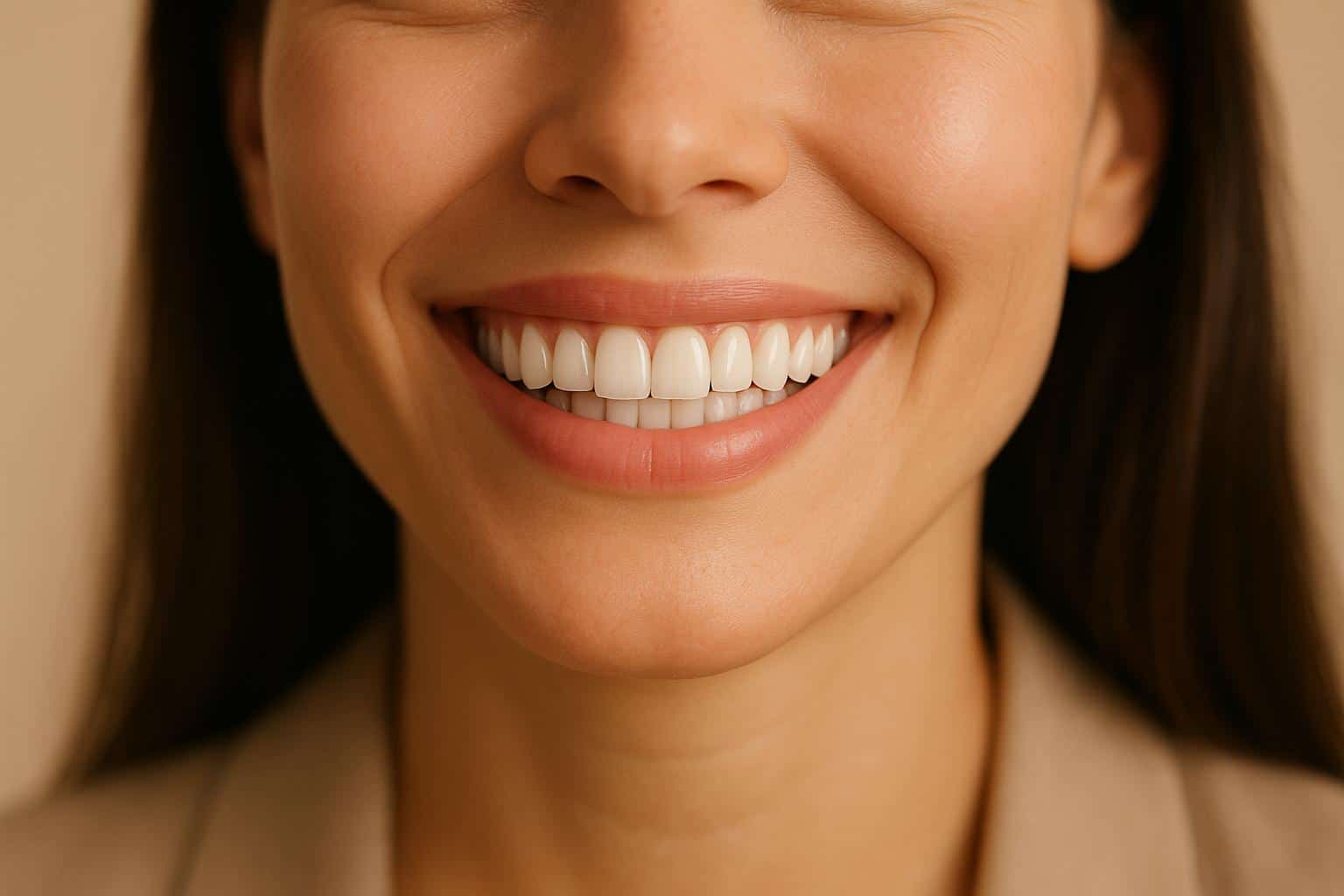
Gum contouring reshapes your gum line to reveal more of your teeth, creating a smile that feels more balanced and confident. It’s especially effective for addressing a gummy smile or uneven gum lines, enhancing overall facial symmetry and making your smile more polished.
By exposing more of the tooth surface, the procedure helps your teeth appear longer and more proportional. This subtle change naturally shifts focus to your teeth instead of your gums, giving you a smile that feels both refined and self-assured.
Functional Benefits
While gum contouring is often sought for its cosmetic benefits, it also plays a key role in improving oral health. Removing excess gum tissue eliminates areas where plaque and bacteria tend to accumulate, making brushing and flossing more effective. This is particularly helpful in reducing the risk of gum diseases like gingivitis and periodontitis, which are common among Americans.
The procedure also removes deep gum pockets that can harbor harmful bacteria, promoting healthier and more resilient gums. Since the excess tissue typically doesn’t grow back, patients gain long-term protection against tooth decay and periodontal issues. Additionally, by reducing food traps between teeth and gums, gum contouring simplifies daily oral care.
For those planning additional dental treatments like veneers, implants, or crowns, gum contouring serves as a valuable preparatory step. It not only enhances the appearance of your smile but also creates an optimal foundation for future dental work, ensuring both aesthetic and functional improvements.
Things to Consider Before Gum Contouring
Pre-Procedure Requirements
Before undergoing gum contouring, it’s essential to ensure your oral health is in good shape. Any dental issues – like cavities, gum disease, or other periodontal concerns – must be treated first [1, 26, 27]. During your consultation, your dentist will assess your gums to confirm they’re healthy enough for the procedure. Gum recession, for instance, could indicate deeper periodontal problems that need attention.
It’s also important to plan financially. Since gum contouring is considered a cosmetic procedure, insurance usually doesn’t cover the full cost. Expenses can vary based on the extent of the treatment and the method used. Be sure to request a detailed cost estimate and explore financing options if needed [24, 26].
Finally, have a clear discussion with your dentist about your cosmetic goals. While gum contouring can enhance gum symmetry, it won’t alter tooth color or alignment [1, 25, 26]. Once you’ve addressed these pre-procedure steps, you can focus on preparing for recovery.
Recovery and Aftercare
Healing from gum contouring typically takes about 1–3 weeks, depending on how extensive the procedure is [1, 23]. Recovery time can also differ based on the technique used – laser treatments often allow for quicker healing compared to traditional scalpel methods. Mild soreness is common and can usually be managed with over-the-counter pain relievers [1, 23]. A soft food diet is recommended for several days to minimize discomfort [1, 23, 29].
Good oral hygiene is key during recovery, but it should be done gently to avoid irritation or infection [1, 23, 28]. Strenuous activities should be avoided for at least five days [1, 23, 28], and it’s best to steer clear of smoking and alcohol for 48 hours.
Make sure to attend all follow-up appointments and follow your dentist’s post-operative care instructions [1, 23, 28]. Simple routines, like rinsing with warm salt water 2–3 times a day – especially after meals – can help promote healing and keep the area clean.
sbb-itb-fb98d5c
Gum Contouring Explained: Risks, Benefits, and Procedure
Is Gum Contouring Right for You?
Choosing whether gum contouring is a good option for you comes down to a few key considerations: your dental concerns, your overall oral health, and what you hope to achieve cosmetically. This procedure is ideal for addressing issues like a "gummy smile", uneven gum lines, or gums that don’t adequately cover your teeth. If you’re looking to enhance your smile and feel more confident, gum contouring could be worth exploring.
Before undergoing the procedure, it’s crucial to have healthy gums. Your dentist will need to rule out conditions such as gum disease, cavities, or other oral health problems that need attention first. For individuals with diabetes or immune system disorders, pre-operative evaluations are especially critical.
Practical considerations, such as cost, also play a role in your decision. Gum contouring is often categorized as a cosmetic procedure, meaning it might not be covered by dental insurance. Prices can range from $50 to $350 per tooth, with costs for the front top teeth reaching up to $3,000.
A consultation with a skilled dental professional is the best way to determine if gum contouring aligns with your dental and cosmetic needs. During this appointment, your dentist will evaluate your gum line’s symmetry, use dental X-rays to examine your bone structure, and review your oral hygiene habits and medical history. They’ll also outline a custom treatment plan and walk you through your options. To ensure you’re in good hands, review your dentist’s previous work and be prepared to maintain proper oral hygiene and attend follow-up appointments after the procedure.
At Shoal Creek Smile Studio in Austin, TX, our team specializes in cosmetic dentistry, including gum contouring. We offer thorough consultations to assess your needs and guide you in making an informed decision. With a personalized approach, we create treatment plans tailored to your dental health and aesthetic goals, helping you achieve the smile you’ve always wanted.
FAQs
Who is a good candidate for gum contouring, and how can it improve oral health?
Gum contouring is a helpful option for people dealing with uneven or excessive gum tissue that might affect their smile or make oral hygiene more challenging. By reshaping the gum line, this procedure removes extra tissue and smooths out irregularities. This not only improves the look of your smile but also makes brushing and flossing more effective, reducing areas where plaque and bacteria can hide. As a result, it can lower the chances of gum disease and other oral health problems.
If you’re aiming for a more balanced smile or healthier gums, gum contouring might be worth exploring. Talk to your dentist to see if this procedure is a good fit for you.
What is the recovery process like after gum contouring, and how can I stay comfortable?
After gum contouring, you might notice some swelling, mild discomfort, and tenderness in your gums for a few days – this is completely normal. Many people find that over-the-counter pain relievers, such as ibuprofen, can help ease any soreness. Using a cold compress on the area can also help reduce swelling and provide some soothing relief.
Rest plays an important role in your recovery. Take it easy for the first few days and avoid any strenuous activities. Stick to soft or liquid foods to prevent irritating the treated area. While keeping up with your oral hygiene is important, make sure to be extra gentle around the gums to avoid interfering with the healing process. Most of the discomfort should fade within a few days, and by carefully following your dentist’s aftercare instructions, you’ll be on the path to a smooth and comfortable recovery.
Who should avoid gum contouring, and why might it not be suitable for them?
Gum contouring isn’t recommended for people dealing with active periodontal disease or untreated cavities. These issues need to be resolved first, as performing the procedure on unhealthy gums or teeth could lead to complications or make the problems worse.
Before moving forward with gum contouring, a dental evaluation is a must. Ensuring your oral health is in good shape and addressing any existing concerns beforehand will set the stage for better results and help you maintain a healthy, confident smile.