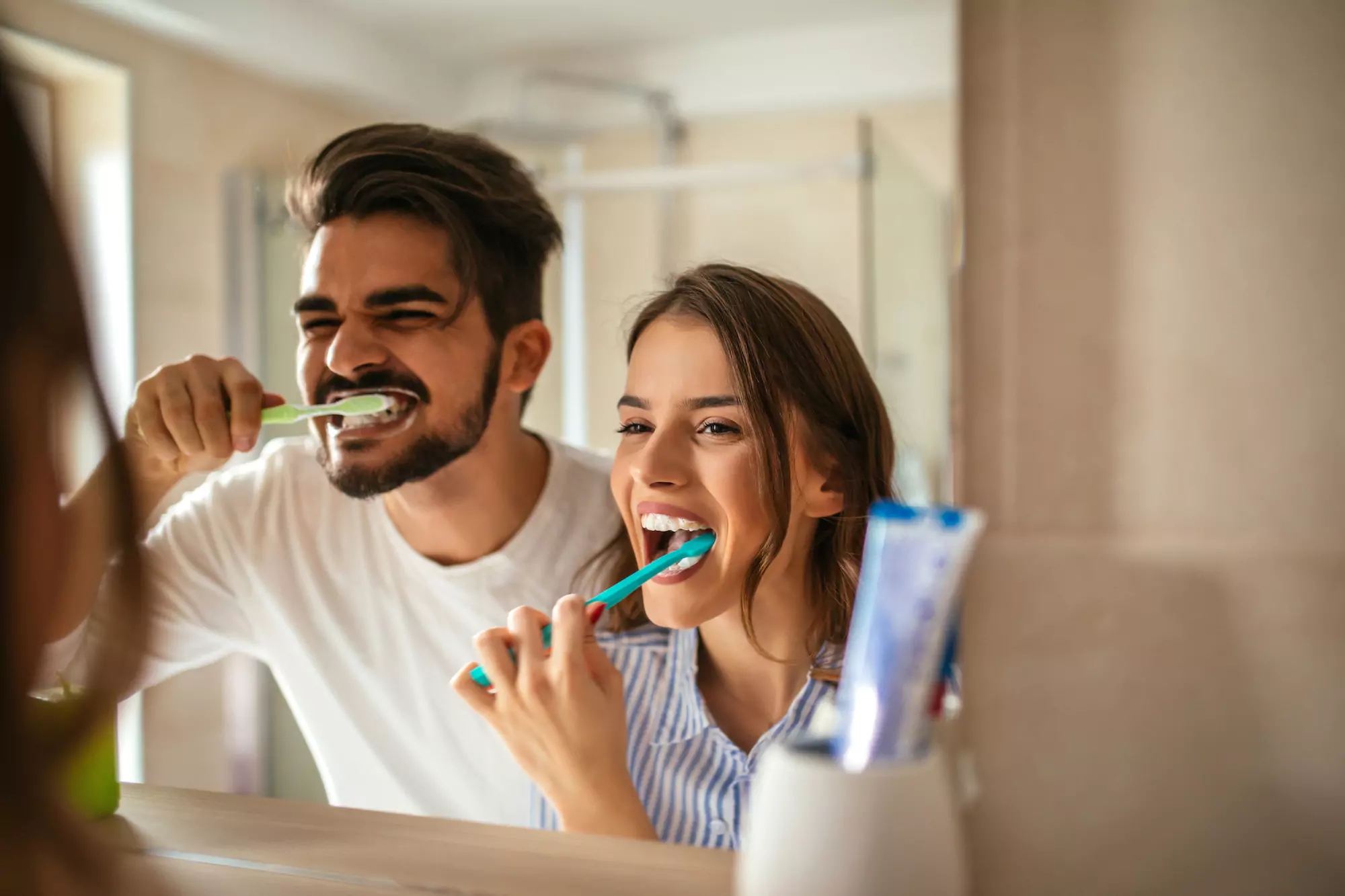
We all clean our teeth (hopefully). However, there is a lot of misinformation about doing it correctly. With the advent of the internet, people have never had such excellent access to information about oral health. But, there has also never been a worse time for exposure to myths about teeth cleaning that are not true.
The Doctors at Shoal Creek Smile Studio know what it takes to clean a smile. That’s why we put this little list together for all of you! So you can take care of your smile and avoid dental emergencies.
- Not all Toothpaste is Created Equal
- There are Different Mouthwashes for Different Mouths
- Brush Your Teeth for a FULL 2 Minutes
- Don’t Forget to Brush Your Tongue
- Flossing is Important for a Healthy Smile
- Not all kinds of toothpaste are created equal!
There is no point in brushing your teeth if you aren’t using toothpaste with fluoride.
Fluoride is the mineral that helps our bodies build enamel crystals, which strengthen our teeth against the microbes that live in our mouths. Working fluoride into your everyday routine is essential, but it is vital if you eat a diet high in sugar and carbohydrates.
The easiest way to determine if toothpaste has the proper fluoride levels is to see if the product is approved by the ADA, aka the American Dental Association. If a dental product is not ADA-approved, do not use it! Luckily finding that out is easy, as the box of the toothpaste you’re interested in buying will have the ADA seal.
- Different Mouthwashes for Different Mouths
Mouthwash is an essential addition to your daily hygiene routine. However, some types of mouthwash are not as effective as others.
Like toothpaste, not all mouthwashes contain the needed components to clean a mouth properly. Look for a mouthwash with antiseptics like you look for fluoride in toothpaste.
An antiseptic is essentially something effective in removing harmful bacteria. The idea for mouthwash is to cast a large cleaning net in your mouth, neutralizing as much bacteria as possible.
Again, an easy way to determine if your current mouthwash works, or if a mouthwash you are looking to buy works, look for that ADA seal of approval!
- You aren’t brushing long enough!
You should brush your teeth for two minutes to remove any and all bacteria properly.
Many people don’t clean their teeth long enough because they only brush for thirty seconds to a minute. A minute of brushing doesn’t give the brush enough time to do its work to distribute the fluoride from your toothpaste throughout your mouth. Yes, removing food from your teeth is also a factor; however, flossing is what does most of that. Keep in mind, there is no toothbrush that can clean right where the teeth touch and cavities start.
- Floss smarter, not harder!
At Shoal Creek Smile Studio, we have plenty of patients who don’t love flossing. If that’s you, listen up! We understand it can be a pain, but brushing isn’t all that effective without it. Luckily, flossing has gotten a lot easier due to some recent advancements in the dental field.
If string floss is a no-go for you, enter the Waterpik! The Waterpik is a high-powered device that shoots water between your teeth at pressures strong enough to remove food. The best part about this is that you’ll save money in the long run and help the environment by using less plastic.
- Don’t ignore your tongue.
Large amounts of bacteria can get stuck between the taste buds located on your tongue.
This bacteria is a big culprit of bad breath. However, it can also spread what you try to eliminate through tooth-cleaning. Microscopic bits of food that are being devoured by bacteria on your tongue can be spread throughout the mouth. This process can even occur after you brush and floss.
The best way to prevent this is using mouthwash with antiseptic and a tongue scrubber. On both those products, again, look to see that they are ADA-approved!
Contact us today!
The Shoal Creek Smile Studio team hoped this article on cleaning practices helped improve your daily routine. Of course, there is one more requirement in maintaining a healthy smile, and that is through bi-yearly checkups! We’ll look at your smile and ensure you are doing everything right. Make an appointment or give us a call!